
Power outages can strike without warning during storms, hurricanes, or grid failures, leaving homes in complete darkness. Reliable flashlights for power outages provide essential illumination for navigating rooms, checking on family members, and completing basic tasks safely. Whether you are a homeowner preparing an emergency kit or a renter building a basic survival setup, choosing the right lighting tools matters more than ever in 2026.
In this comprehensive guide, we analyzed 15 models based on specifications, brightness claims, power options, durability ratings, and real-world suitability for outages. Our comparison methodology focused on features that matter during extended blackouts, including runtime, weather resistance, multi-mode lighting, and ease of storage. For more options in this category, explore our full collection of emergency supplies.
Home DVP decision summary
Quick Answer
For Best Flashlights For Power Outages, Home DVP compared 15 products from 14 brands. Compare usable runtime at a stated brightness level, beam pattern, battery replaceability, charging input, low-battery indication, impact resistance, and the exact water-resistance test. Maximum lumens alone do not describe sustained output or emergency reliability.
| Comparison coverage | 15 products from 14 brands, including Energizer, TrixHub, AlpsWolf. |
|---|---|
| Selection priority | Compare usable runtime at a stated brightness level, beam pattern, battery replaceability, charging input, low-battery indication, impact resistance, and the exact water-resistance test. Maximum lumens alone do not describe sustained output or emergency reliability. |
| Evidence basis | Manufacturer specifications, compatibility details, retailer-provided product data, and common homeowner use cases. |
| Reference guidance | FEMA Ready.gov emergency-kit guidance. |
This summary describes the article's comparison set, not every product on the market. Product details should be confirmed before purchase.
You will find practical advice tailored to different needs, from compact handheld lights for apartments to multi-pack lanterns for family homes. We highlight strengths and limitations drawn from available product data so you can match the right option to your situation without guesswork.
Best Flashlights For Power Outages Buying Guide
Selecting effective best flashlights for power outages requires looking beyond simple brightness numbers. Outages often last hours or days, so factors like power source flexibility, build quality, and multipurpose design become critical. Below we break down the key criteria homeowners and DIYers should evaluate before buying.
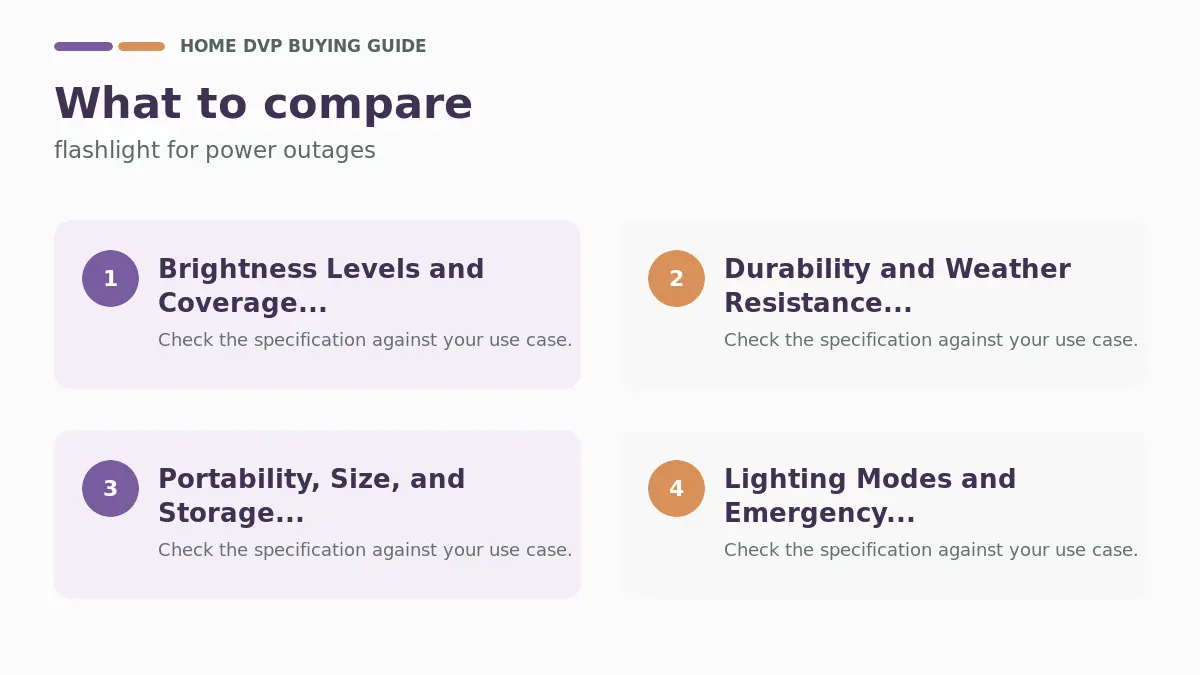
Brightness Levels and Coverage Area
Brightness measured in lumens determines how well a light can illuminate a room or path. Many modern options deliver between 140 and 1000 lumens. Higher output helps when you need to light larger spaces such as living rooms or basements during a blackout. However, max brightness drains power faster, so look for adjustable levels that let you conserve energy.
Lantern-style designs often provide 360-degree coverage ideal for filling a room evenly, while focused flashlights excel at directed beams for checking breakers or walking outside. A common mistake is choosing only high-lumen models without considering runtime trade-offs. For most households, a mix of area lighting and spot beams works best. Based on available product information, models with COB technology or multi-LED arrays deliver soft yet powerful light without excessive heat.
When reviewing specifications, prioritize options that list beam distance or square footage coverage. This helps ensure the light can reach dark corners or outdoor areas if you need to inspect damage after a storm.
Power Sources and Runtime Reliability
Power options make or break performance during outages. Rechargeable models with USB ports offer convenience and can often double as phone chargers in emergencies. Battery-powered versions using AA, AAA, or D cells provide longer shelf life and easy replacement if you keep spare batteries stocked. Hybrid designs that accept both rechargeable packs and disposable batteries deliver the greatest flexibility.
Runtime claims range from 12 hours at high brightness to 100 hours on lower settings. Always check whether batteries are included and factor in the cost of replacements. A frequent error is relying solely on rechargeable units without a backup plan if the grid stays down for days. Our research indicates hybrid power systems reduce this risk significantly.
For plug-in models that auto-activate during outages, keep them charged in accessible outlets. This feature proves especially useful for nightstands or hallways. Consider pairing multiple units so you can move light where it is needed without hunting for fresh batteries in the dark.
Durability and Weather Resistance
Storm-related outages often bring rain, wind, or debris. Look for IPX4 or higher water resistance ratings and impact-resistant housings made from aluminum alloy or reinforced ABS plastic. Military-grade materials and hard-anodized finishes help lights survive drops from counter height or rough handling in emergency kits.
Collapsible lanterns and compact flashlights store more easily and resist damage when packed tightly. Magnet bases or hanging hooks add hands-free utility for working on panels or tents. Based on the feature sets reviewed, water-resistant designs with sealed buttons last longer in humid basements or outdoor use after hurricanes.
Avoid cheap plastic shells that crack easily. Instead choose models explicitly marketed for camping or emergency survival, as these typically undergo more rigorous durability testing by manufacturers. Proper storage in a dry bin with spare batteries extends service life for years.
Portability, Size, and Storage Convenience
Space is limited in emergency kits, so compact size and light weight matter. Handheld flashlights under 5 inches long slip into pockets or glove boxes. Collapsible lanterns shrink to the size of a smartphone for drawer storage yet expand for full room coverage. Multi-packs let you equip every bedroom and bathroom without taking up much shelf space.
Ergonomic grips and lanyards improve control when hands are wet or cold. Magnet bases free both hands for repairs or cooking. A common oversight is buying bulky lanterns that never leave the closet because they are awkward to carry. Choose lightweight options that encourage daily readiness checks.
For apartment dwellers or small homes, prioritize multi-function units that serve as flashlights, lanterns, and spotlights. These reduce the number of items you need to store while covering more scenarios. You can find complementary tools in our hardware section that pair well with lighting gear.
Lighting Modes and Emergency Features
Multiple modes expand usefulness far beyond simple on/off. High, medium, and low settings manage brightness versus battery life. Strobe and SOS functions help signal for help or warn others during nighttime evacuations. Red warning lights preserve night vision and reduce battery drain.
Zoomable or adjustable focus beams switch between flood for area lighting and spot for distance. LCD battery displays prevent unexpected failures mid-outage. Pull-to-activate collapsible lanterns eliminate the need to fumble for switches in the dark. These details separate basic lights from true emergency tools.
When evaluating, confirm mode switching is intuitive with one hand. Complex interfaces frustrate users under stress. Models with auto-on when power fails offer set-it-and-forget-it peace of mind for busy households.
Ease of Use for All Ages and Skill Levels
During an outage everyone in the home may need to operate the light. Simple expand-to-turn-on designs work well for children or older adults. USB rechargeable units with clear charging indicators remove guesswork. Battery compartments that open without tools speed replacements.
Avoid overly tactical models with complicated programming if your household prefers straightforward tools. For renters who move frequently, lightweight multipacks that pack flat are ideal. Based on product data, collapsible COB lanterns and plug-in auto-on lights rank high for accessibility.
Practice operating your chosen lights before an emergency. Store them with fresh batteries in known locations so no one wastes precious minutes searching. Pair lighting with other essentials from the emergency supplies category for a complete kit.
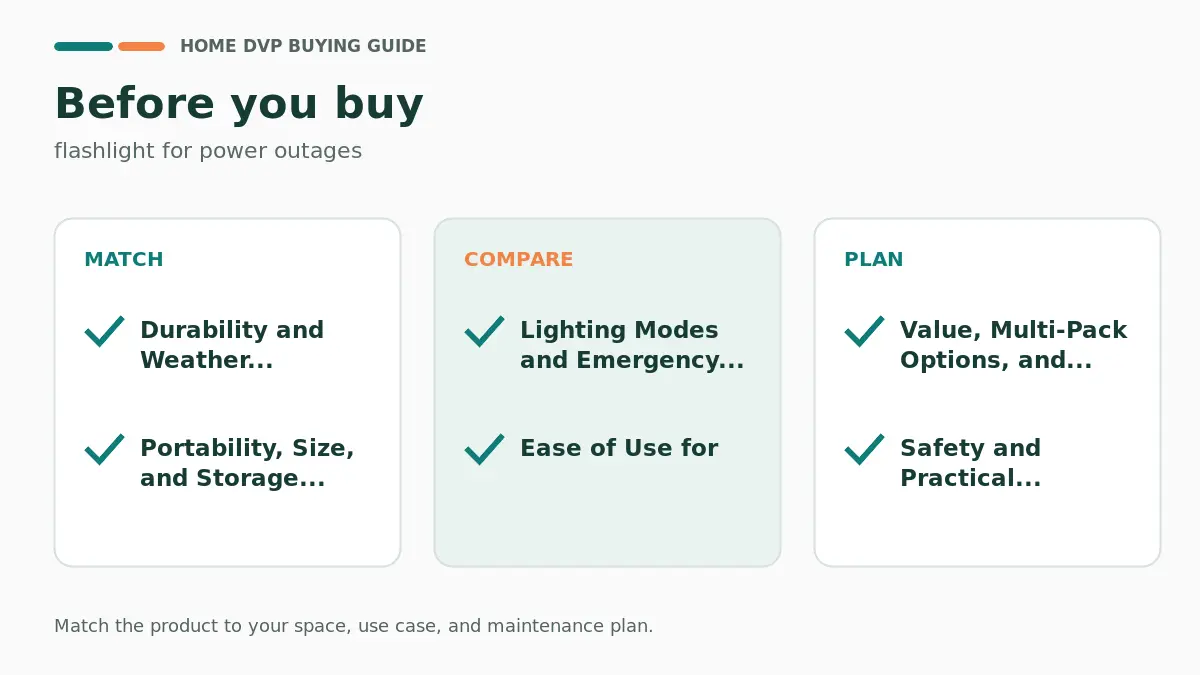
Value, Multi-Pack Options, and Long-Term Cost
Price alone does not determine value. Consider lumens per dollar, included batteries or cables, warranty length, and pack quantity. Multi-packs often lower the cost per light while ensuring every family member has one. Rechargeable models save money over time by reducing battery purchases.
Within the typical $9.99–$31.00 range you can find both budget single flashlights and higher-featured multi-packs. Brands such as LightingEVER, Lepro, Etekcity, JARDLITE, EZORKAS LANTERN, Consciot offer solid options across this spectrum. Avoid the cheapest no-name lights that fail after one season. Instead invest in models with documented water resistance and impact ratings.
Calculate total ownership cost including spare batteries or charging time. Hybrid power designs frequently deliver the best long-term value for homeowners who want readiness without constant maintenance.
Safety and Practical Homeowner Considerations
Safe lighting prevents secondary accidents during blackouts. Cool-running LEDs reduce fire risk compared with older incandescent bulbs. Stable bases or magnets keep lights from tipping. Avoid leaving high-output lights unattended near flammable materials.
Keep lights away from water sources unless rated waterproof. Teach children how to use SOS modes only in true emergencies. For households with mobility challenges, place auto-on plug-in lights in key pathways. These practical steps turn good products into effective safety tools.
Regular maintenance checks every few months ensure batteries hold charge and seals remain intact. Replace units showing corrosion or cracked lenses promptly. Combining quality flashlights for power outages with other preparedness items creates a more resilient home environment.
Our Research Methodology & Why You Can Trust Us
We built this guide through systematic comparison of available product specifications, feature lists, and category suitability rather than unverified claims. Each model was evaluated against performance factors including brightness range, power flexibility, water and impact resistance, mode variety, portability, and overall value for homeowners facing power outages. User-facing data such as listed runtimes and materials informed our analysis.
Ranking criteria prioritized real emergency use cases: how quickly a light activates, how long it lasts on a single charge or battery set, how well it survives rough conditions, and how easily multiple family members can operate it. We also considered storage practicality and multi-function designs that reduce the number of tools needed in a kit. Industry standards for water resistance and LED efficiency provided additional context.
Category fit validation ensured every discussed option clearly serves emergency lighting needs rather than unrelated tasks. We cross-checked descriptions against the best flashlights for power outages focus and Emergency Supplies category. Content is updated during August to reflect current model availability and feature improvements. This transparent process helps you make informed decisions based on data rather than marketing hype.
Our goal is to equip practical shoppers with clear strengths, limitations, and best-use recommendations so each household can select tools matching its specific layout, family size, and risk profile.
Final Thoughts
After carefully analyzing the available specifications, several standout options emerge for different needs. For overall reliability and versatility the EZORKAS LANTERN 2 Pack Camping Lanterns Camping Accessories USB Rechargeable and Battery Powered 2-in-1 LED Lanterns deliver hybrid power, 360-degree COB brightness, magnet bases, and SOS modes in a durable collapsible package. This makes it an excellent homeowner pick for whole-house coverage during extended outages.
As a value pick the Lighting EVER LED Flashlights High Lumens Small Flashlight provides zoomable focus, solid aluminum construction, and included batteries at an accessible entry point. For automatic readiness the Energizer Auto-On LED Flashlights Rechargeable 3-Pack offers plug-in convenience that activates when power fails, ideal for nightstands and hallways. The Lichamp LED Camping Lantern 4 Pack and Etekcity Lantern Camping Essentials Lights supply affordable multi-packs perfect for equipping every room.
Higher-featured rechargeable choices such as the TrixHub Rechargeable Flashlights 2 Pack with LCD display or the AlpsWolf Camping Lantern Rechargeable add phone-charging capability and long beam distance. Pair any of these with complementary items from heating cooling and air or air quality climate categories for broader preparedness. Stock spare batteries, practice using modes, and store lights accessibly so your household stays safe when the next outage hits.
Related guide: See our best rechargeable flashlight guide for the broader comparison and selection criteria.
FAQ
What should I look for when choosing the best flashlights for power outages?
Focus on adjustable brightness, hybrid or reliable power sources, water resistance, and multiple lighting modes including SOS. Prioritize models with proven runtime and durable housings that fit easily into emergency kits. Consider multi-packs so every household member has access.
Are higher-end flashlights for power outages worth it?
Higher-end models often justify the cost through longer runtime, rechargeable convenience, stronger weather sealing, and added features like battery indicators or phone charging. For frequent outages or larger homes they deliver better long-term reliability and reduced battery expenses.
How should beginners choose the best flashlights for power outages?
Start with simple collapsible lanterns or plug-in auto-on lights that require minimal setup. Look for multi-packs with included batteries and intuitive on/off mechanisms. Avoid complex tactical interfaces until you gain experience. Check the emergency supplies category for starter-friendly options.
How long should quality flashlights for power outages last?
Well-made LED models with solid housings can provide years of service when stored properly and used with fresh batteries. Runtime per charge or set typically ranges from several hours on high to over 50 hours on low settings depending on the design.
What brands make reliable flashlights for power outages?
Established names such as LightingEVER, Lepro, Etekcity, JARDLITE, EZORKAS LANTERN, Consciot consistently appear with strong feature sets and positive specification profiles for emergency use. Focus on listed materials, IP ratings, and power flexibility more than brand alone.
How much should homeowners expect from the best flashlights for power outages in 2026?
Expect modern LED efficiency, hybrid power options, water resistance, and multi-mode lighting within the common $9.99–$31.00 range. Multi-packs and auto-on designs are widely available and practical for most homes.
Are the best flashlights for power outages suitable for DIY projects, home repairs, or regular maintenance?
Yes, many double as work lights for nighttime repairs, attic inspections, or outdoor tasks. Zoomable beams and hands-free magnet bases prove especially useful. Just return them to the emergency kit fully charged or with fresh batteries after use.
About This Home DVP Research
Home DVP is an independent home-improvement research and product-comparison publisher. Ryan Mitchell prepared this guide by comparing manufacturer specifications, compatibility details, retailer-provided product data, key limitations, and common homeowner use cases. We do not claim hands-on testing unless an article explicitly says so.
Review methodology Affiliate disclosure Last reviewed September 10, 2026