
How to Choose a Drill Bit for Any Material
Identify the base material, hole type, required finish, and drill chuck before selecting a bit. This guide explains the safest practical choices for wood, metal, masonry, tile, glass, and plastics.

Home DVP independently researches home-improvement products. We may earn a commission when you buy through our links, at no additional cost to you. As an Amazon Associate I earn from qualifying purchases. How we earn ›
Choose tools by project, material, power source, capacity, ergonomics, safety, and compatibility with your existing system.
Identify the base material, hole type, required finish, and drill chuck before selecting a bit. This guide explains the safest practical choices for wood, metal, masonry, tile, glass, and plastics.

Discover best moisture meter for drywall for 2026. We analyzed 15 popular models to help homeowners find the right option.

Discover best thermal camera for water leaks for 2026. We analyzed 15 popular models to help homeowners find the right option.

Discover best infrared camera for home inspection for 2026. We analyzed 15 popular models to help homeowners find the right option.

Discover best borescope for home inspection for 2026. We analyzed 14 popular models to help homeowners find the right option.

Cordless Drill for Home Use: Torque, Battery Life & Value Tested
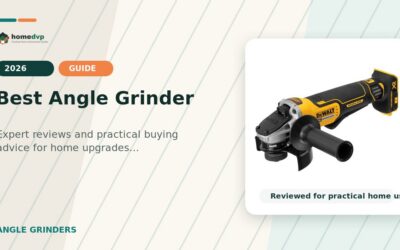
Angle Grinder guide covering project needs, compatibility, ease of use, safety, and value, with practical tradeoffs for U.S. homes.

Nail Gun—Tested & Ranked for 2026

Best Air Compressor: Expert Picks for Every Budget
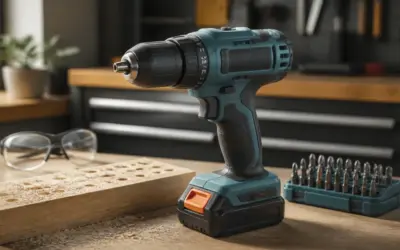
Compare cordless drills by voltage platform, chuck size, torque control, weight, battery capacity, charger, warranty, and tool ecosystem.