The scary thing about carbon monoxide is that you’ll never hear, see, or smell it coming — and by the time anyone feels symptoms, it’s serious. Smoke is no better during the night, when a fire can double in size every sixty seconds and a sleeping family has minutes, not hours. That’s what makes a combination detector quietly essential: one device that covers both threats, mounted where you’ll actually remember to test it. A good one is cheap, and a bad night is not.
We carefully reviewed the specifications of 15 models from FirstAlert, X-Sense, HEIMAN and similar makers. Our process examined sensor types, power sources, interconnect options, certifications, nuisance-alarm reduction features, and ease of installation. The goal is practical advice for everyday homes rather than laboratory claims. If you are stocking other protective gear, our full emergency supplies collection offers complementary options.
Home DVP decision summary
Quick Answer
For Best Smoke And Carbon Monoxide Detector, Home DVP compared 15 products from 3 brands. Verify that both smoke and carbon-monoxide functions are listed for the intended installation. Placement rules differ by hazard, so compare sensor type, voice alerts, interconnection, battery backup, end-of-life warnings, and compatibility with the home’s existing alarms.
| Comparison coverage | 15 products from 3 brands, including FirstAlert, X-Sense, HEIMAN. |
|---|---|
| Selection priority | Verify that both smoke and carbon-monoxide functions are listed for the intended installation. Placement rules differ by hazard, so compare sensor type, voice alerts, interconnection, battery backup, end-of-life warnings, and compatibility with the home’s existing alarms. |
| Evidence basis | Manufacturer specifications, compatibility details, retailer-provided product data, and common homeowner use cases. |
| Reference guidance | U.S. CPSC smoke and carbon-monoxide safety guidance. |
This summary describes the article's comparison set, not every product on the market. Product details should be confirmed before purchase.
Whether you are a first-time renter, a DIY homeowner refreshing an older house, or planning a renovation, understanding the differences among current models helps you choose wisely. Prices for solid performers typically fall in the $16.99–$230 range, and features continue to improve with sealed batteries and clearer displays. This guide, updated for August 2026, walks through everything you need to know before you buy.

Pros
- Sealed 10-year battery supports long-term operation free of maintenance chores
- Combined photoelectric and electrochemical sensors address both smoke and CO risks
Cons
- Operates only as a basic standalone unit without wireless interconnection options
- Does not include Wi-Fi or base station connectivity for remote alerts
Best For / Avoid If
Best for buyers prioritizing
- Sealed 10-year battery supports long-term operation free of maintenance chores
- Combined photoelectric and electrochemical sensors address both smoke and CO risks
- No-hardwire mounting process works well for DIY users and renters
Consider another option if
- Operates only as a basic standalone unit without wireless interconnection options
- Does not include Wi-Fi or base station connectivity for remote alerts
- Users wanting multi-room linked alarms may need to consider other models in the line
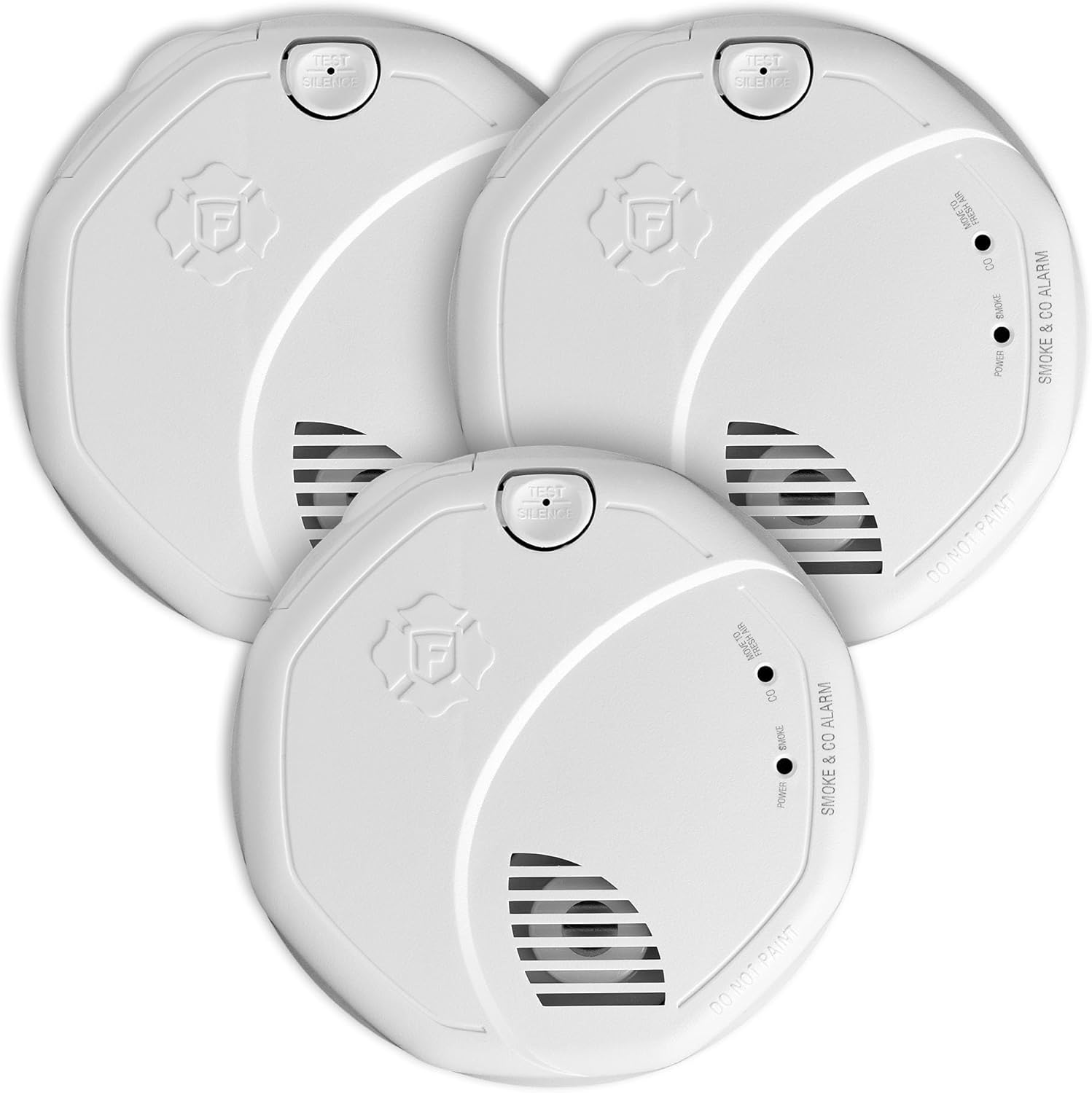
Pros
- Combines smoke and carbon monoxide sensing in single units
- Reduces false cooking alarms through advanced technology
Cons
- Requires ongoing battery replacements over time
- May not appeal to users wanting hardwired or interconnected systems
Specifications
| Brand | First Alert |
|---|---|
| Style | Precision Detection |
| Power Source | Battery Powered |
| Color | White |
| Product Dimensions | 2.5"D x 5.75"W x 5.75"H |
| Item Weight | 1.55 Pounds |
| Alarm | Smoke, CO |
| Sensor Type | Photoelectric |
| Unit Count | 3.0 Count |
| Number of Items | 3 |
Verify the current product variation before purchase; specifications may change.
Best For / Avoid If
Best for buyers prioritizing
- Combines smoke and carbon monoxide sensing in single units
- Reduces false cooking alarms through advanced technology
- Supports simple battery installation for DIY placement
Consider another option if
- Requires ongoing battery replacements over time
- May not appeal to users wanting hardwired or interconnected systems
- Lacks additional smart features beyond basic detection functions

Pros
- Advanced sensing technology cuts down common cooking false alarms
- Works with most First Alert and BRK models for linked early warnings
Cons
- Hardwire installation may require electrical familiarity or professional help for some first-time users
- 6-pack size may be more coverage than needed for compact living spaces
Specifications
| Power Source | Corded Electric |
|---|---|
| Alarm | Smoke, CO |
| Sensor Type | Ionization |
| Operating Humidity | 10-95% RH |
| Product Style | Precision Detection |
| Color | White |
| Item Dimensions D x W x H | 5.6"D x 5.6"W x 1.9"H |
| Item Weight | 3.33 Pounds |
| Brand | First Alert |
| Model Number | SMICO100-AC |
Verify the current product variation before purchase; specifications may change.
Best For / Avoid If
Best for buyers prioritizing
- Advanced sensing technology cuts down common cooking false alarms
- Works with most First Alert and BRK models for linked early warnings
- Battery backup maintains function when power fails
Consider another option if
- Hardwire installation may require electrical familiarity or professional help for some first-time users
- 6-pack size may be more coverage than needed for compact living spaces
- Full interconnect benefits depend mainly on First Alert and BRK compatibility

Pros
- Provides long-term reliability with no battery maintenance required over ten years
- Simplifies home safety by combining two detectors into a single device
Cons
- Operates only as a standalone unit and does not interconnect wirelessly with similar devices
- Lacks smart connectivity options such as Wi-Fi or app integration
Best For / Avoid If
Best for buyers prioritizing
- Provides long-term reliability with no battery maintenance required over ten years
- Simplifies home safety by combining two detectors into a single device
- Installs easily with included mounting hardware for any standard location
Consider another option if
- Operates only as a standalone unit and does not interconnect wirelessly with similar devices
- Lacks smart connectivity options such as Wi-Fi or app integration

Pros
- Combines smoke and carbon monoxide sensing in one device for broader coverage
- Sealed battery design delivers decade-long operation without battery changes
Cons
- Sealed battery requires replacing the full unit after 10 years instead of swapping cells
- Focuses on core detection without added smart connectivity features
Best For / Avoid If
Best for buyers prioritizing
- Combines smoke and carbon monoxide sensing in one device for broader coverage
- Sealed battery design delivers decade-long operation without battery changes
- Compact slim form factor reduces visual bulk compared to standard models
Consider another option if
- Sealed battery requires replacing the full unit after 10 years instead of swapping cells
- Focuses on core detection without added smart connectivity features
- Performance relies on following standard placement guidance for optimal results

Pros
- Interconnect creates a unified safety network across compatible units
- Battery backup delivers continuous coverage during electrical interruptions
Cons
- Requires existing hardwired connections for primary power source
- Full network benefits require additional compatible units beyond the single pack
Best For / Avoid If
Best for buyers prioritizing
- Interconnect creates a unified safety network across compatible units
- Battery backup delivers continuous coverage during electrical interruptions
- Quick Connect design reduces installation complexity for hardwired setups
Consider another option if
- Requires existing hardwired connections for primary power source
- Full network benefits require additional compatible units beyond the single pack
- Electrical work may require professional help for some homeowners

Pros
- Advanced sensing helps minimize kitchen false alarms
- Simple battery installation and ongoing maintenance
Cons
- Battery operation requires regular replacements to maintain function
- Single-pack format may need extra units for whole-home coverage
Best For / Avoid If
Best for buyers prioritizing
- Advanced sensing helps minimize kitchen false alarms
- Simple battery installation and ongoing maintenance
- Convenient front battery access for replacements
Consider another option if
- Battery operation requires regular replacements to maintain function
- Single-pack format may need extra units for whole-home coverage
- May not suit users seeking hardwired or interconnected systems

Pros
- Battery power supports installation in locations without nearby wiring
- Advanced sensing helps limit disruptions from everyday cooking activities
Cons
- Battery replacements are required periodically to maintain function
- Single-pack format means additional units must be bought separately for full-home coverage
Specifications
| Power Source | Battery Powered |
|---|---|
| Alarm | Smoke and CO Alarm |
| Sensor Type | Ionization |
| Operating Humidity | 10-95% RH |
| Product Style | Precision Detection |
| Color | White |
| Item Dimensions D x W x H | 5.6"D x 5.6"W x 2"H |
| Item Weight | 0.66 Pounds |
| Brand | First Alert |
| Model Number | SMICO100 |
Verify the current product variation before purchase; specifications may change.
Best For / Avoid If
Best for buyers prioritizing
- Battery power supports installation in locations without nearby wiring
- Advanced sensing helps limit disruptions from everyday cooking activities
- End-of-life signal and test button simplify regular upkeep tasks
Consider another option if
- Battery replacements are required periodically to maintain function
- Single-pack format means additional units must be bought separately for full-home coverage
- Lacks smart connectivity options available in other detector models

Pros
- Combines fire smoke and carbon monoxide detection in a single compact unit
- Sealed battery design supports decade-long operation without replacements
Cons
- No app connectivity or hardwired interconnection based on the listed options
- Standalone design may need additional units for comprehensive multi-level home coverage
Best For / Avoid If
Best for buyers prioritizing
- Combines fire smoke and carbon monoxide detection in a single compact unit
- Sealed battery design supports decade-long operation without replacements
- Meets current UL standards and includes CSFM approval for trusted compliance
Consider another option if
- No app connectivity or hardwired interconnection based on the listed options
- Standalone design may need additional units for comprehensive multi-level home coverage
- Users wanting smart-home integration could prefer models with wireless linking

Pros
- Built-in sealed battery provides a full decade of operation with zero maintenance needs
- Combined smoke and CO sensing reduces the number of devices required on ceilings or walls
Cons
- Units operate independently and do not interconnect wirelessly for whole-home alerts
- Absence of Wi-Fi or base station options may limit remote monitoring preferences
Best For / Avoid If
Best for buyers prioritizing
- Built-in sealed battery provides a full decade of operation with zero maintenance needs
- Combined smoke and CO sensing reduces the number of devices required on ceilings or walls
- Standalone design installs easily with the provided hardware for any homeowner
Consider another option if
- Units operate independently and do not interconnect wirelessly for whole-home alerts
- Absence of Wi-Fi or base station options may limit remote monitoring preferences
- Basic standalone style may require separate purchases for users seeking linked systems
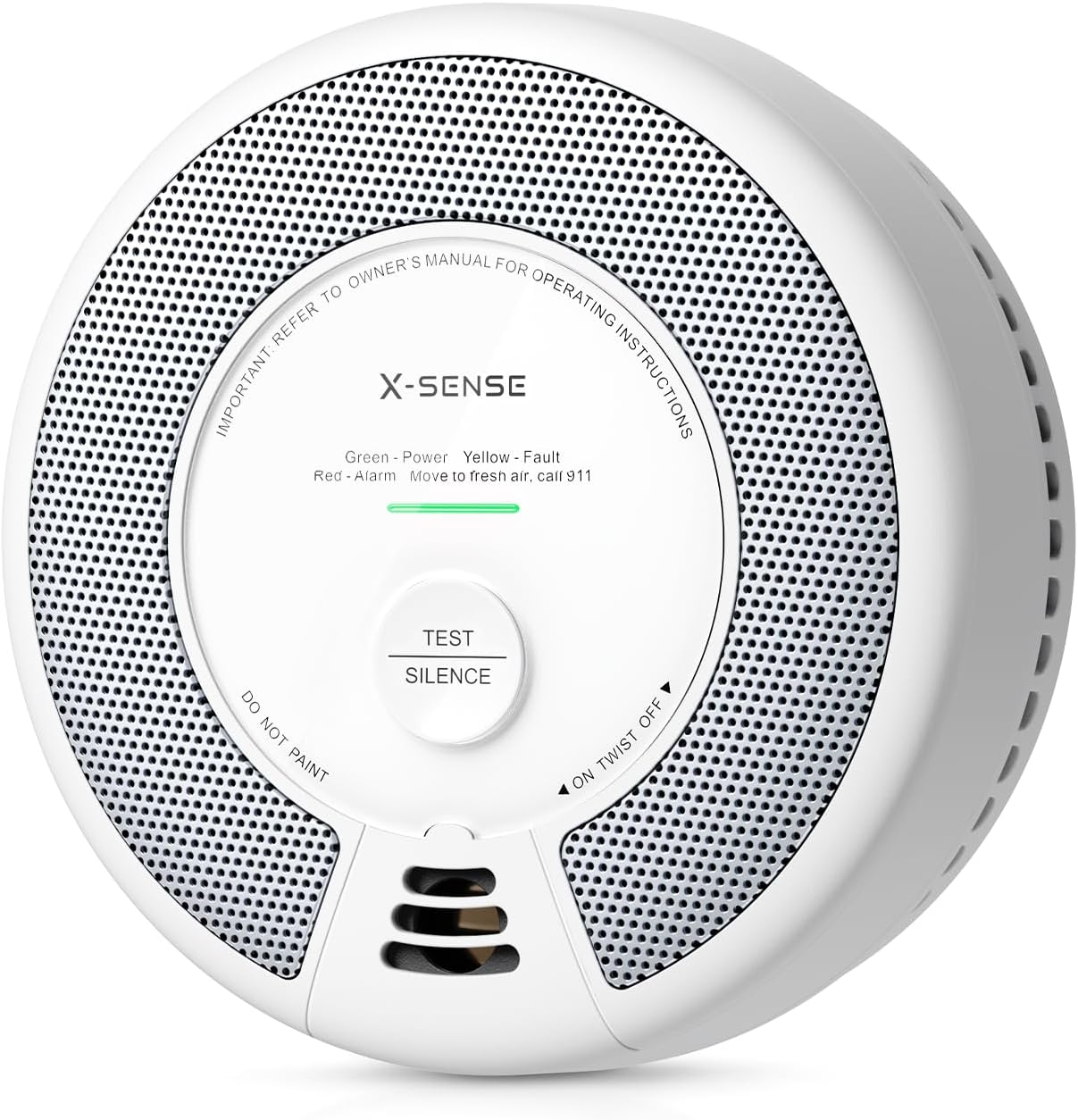
Pros
- Sealed 10-year battery removes the need for regular replacements
- True 2-in-1 detection covers both smoke and carbon monoxide threats
Cons
- Standalone design lacks wireless interconnect for multi-unit whole-home alerts
- No LCD display for viewing carbon monoxide concentration levels
Best For / Avoid If
Best for buyers prioritizing
- Sealed 10-year battery removes the need for regular replacements
- True 2-in-1 detection covers both smoke and carbon monoxide threats
- Battery operation enables flexible, no-tools-required mounting
Consider another option if
- Standalone design lacks wireless interconnect for multi-unit whole-home alerts
- No LCD display for viewing carbon monoxide concentration levels
- Sealed battery means the entire unit must be replaced at end of life

Pros
- Combines smoke and carbon monoxide sensing in one 5-inch device for streamlined residential coverage
- Sealed battery design eliminates replacement costs and chirping over the full decade of service
Cons
- No interconnect feature means the unit cannot synchronize alerts with other detectors throughout the house
- Absence of voice alerts or smart-device pairing may leave users without spoken or remote notifications
Best For / Avoid If
Best for buyers prioritizing
- Combines smoke and carbon monoxide sensing in one 5-inch device for streamlined residential coverage
- Sealed battery design eliminates replacement costs and chirping over the full decade of service
- Firmware technology supports faster smoke response and fewer false triggers from common household sources
Consider another option if
- No interconnect feature means the unit cannot synchronize alerts with other detectors throughout the house
- Absence of voice alerts or smart-device pairing may leave users without spoken or remote notifications
- Standard battery-powered design without hardwiring options limits integration for those preferring permanent electrical setups

Pros
- Combines smoke and carbon monoxide detection in each hardwired unit for dual-threat coverage.
- Battery backup maintains operation if household power is lost.
Cons
- Hardwired installation may require electrical work that some homeowners prefer to avoid.
- Interconnects only with compatible BRK or First Alert models.
Best For / Avoid If
Best for buyers prioritizing
- Combines smoke and carbon monoxide detection in each hardwired unit for dual-threat coverage.
- Battery backup maintains operation if household power is lost.
- Interconnect feature coordinates alerts across compatible detectors in the home.
Consider another option if
- Hardwired installation may require electrical work that some homeowners prefer to avoid.
- Interconnects only with compatible BRK or First Alert models.
- Three-pack quantity could exceed needs in smaller single-level homes.
Best Smoke And Carbon Monoxide Detector Buying Guide
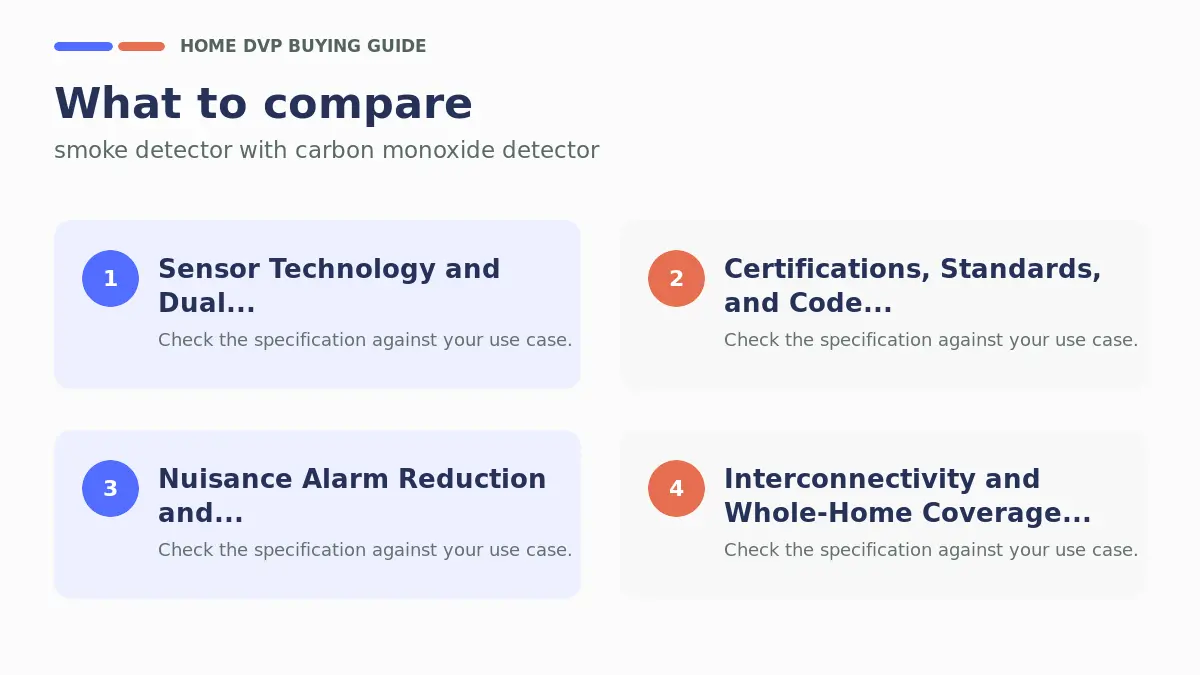
Selecting the right best smoke and carbon monoxide detector involves more than grabbing the cheapest unit on the shelf. Sensor technology, power method, interconnect capability, and long-term maintenance all affect real-world performance. Below we break down the key decision factors with homeowner-focused advice based on product specifications and industry standards.
Sensor Technology and Dual Detection Accuracy
Modern combination alarms rely on photoelectric smoke sensors paired with electrochemical carbon monoxide sensors. Photoelectric technology detects larger smoke particles from smoldering fires faster and produces fewer cooking-related nuisance alarms than older ionization-only designs. The electrochemical cell for CO measures concentration in parts per million and triggers at levels that match UL 2034 thresholds.
When comparing models, look for clear statements that the unit uses both sensor types. Units meeting the latest UL 217 Edition 9 for smoke and UL 2034 for carbon monoxide offer stronger performance against new fire profiles and reduced false alerts. Avoid any device that only addresses one hazard if your goal is true dual coverage. A common mistake is installing separate single-function alarms that leave gaps or require twice the maintenance.
For homes with gas appliances, fireplaces, or attached garages, the CO sensor quality matters most. Real-time LCD readouts of CO levels, available on some X-Sense models, give immediate feedback that pure LED indicators cannot. Based on the listed specifications, these dual-sensor designs provide the balanced protection most households need.
Power Source: Battery, Sealed 10-Year, or Hardwired with Backup
Power choice is one of the biggest practical differences among best smoke and carbon monoxide detector. Replaceable-battery models are inexpensive and work anywhere without wiring. Sealed 10-year lithium battery units eliminate the annual battery change and the 3 a.m. low-battery chirp. Hardwired models with battery backup offer continuous protection during outages and often support whole-home interconnection.
Renters and apartment dwellers usually prefer sealed battery or standard battery units because no electrical work is required. Homeowners renovating or building new can take advantage of hardwired interconnect systems that make every alarm sound when one detects a problem. A frequent error is choosing hardwired units without confirming existing wiring compatibility, which can force costly electrician visits.
Look for end-of-life signals on sealed units so you know when the entire alarm needs replacement after a decade. Front-access battery doors on replaceable models make changes easier without removing the whole unit from the ceiling. Matching the power type to your living situation prevents frustration later.
Certifications, Standards, and Code Compliance
Prefer an alarm whose exact model number carries the applicable current listing: UL 217 for smoke detection and UL 2034 for carbon monoxide. These independent tests verify response times, false-alarm resistance, and reliability under temperature and humidity extremes. Some newer models also note compliance with the updated UL 217 Edition 9, which includes better detection of modern synthetic-material fires.
Local building codes often require combination alarms on every level, outside sleeping areas, and inside bedrooms. Interconnect capability is frequently mandated in new construction. Checking for clear certification marks on the packaging or product body protects you during home inspections or insurance claims. Units lacking these marks may fail to meet legal requirements and can leave you unprotected.
When reviewing options from FirstAlert, X-Sense, HEIMAN, prioritize those that explicitly list both UL standards. This single filter removes most low-quality imports and ensures the device has been subjected to rigorous third-party evaluation.
Nuisance Alarm Reduction and Silence Features
Cooking smoke and steam are the top reasons people disable detectors. Advanced sensing technology, often branded as Precision Detection on First Alert models, analyzes particle size and rate of rise to distinguish real fires from kitchen activity. Photoelectric sensors inherently help here, but smart algorithms improve results further.
A large, easy-to-reach silence button is essential. Some units offer temporary hush modes that mute the alarm for several minutes while allowing CO detection to stay active. Placing the detector the recommended distance from cooking appliances also reduces false trips. Many homeowners make the mistake of removing batteries entirely after repeated false alarms, defeating the entire purpose of the device.
Based on available product data, models that highlight reduced cooking nuisance alarms and include a dedicated test/silence button deliver better daily usability without compromising safety.
Interconnectivity and Whole-Home Coverage
Standalone alarms only alert the room they occupy. Interconnected systems, whether hardwired or wireless, sound every compatible unit when one detects smoke or CO. This early warning is critical in multi-story homes or during sleep. Hardwired interconnect is the most reliable, but some wireless options exist for retrofit projects.
When one alarm initiates, latching indicators on certain First Alert models identify which unit triggered, simplifying troubleshooting. Quick-connect plugs on hardwired versions speed installation. A common oversight is mixing non-compatible brands, which breaks the interconnect chain. Stick to the same manufacturer family when possible.
For larger homes, multi-packs of interconnect-capable units provide the best coverage at a better per-unit cost. Even renters can benefit from wireless interconnect kits if they plan to move the system later. Exploring related topics such as overall home safety in our air quality and climate resources can help you plan complete protection.
Installation Ease, Placement, and Maintenance
Most battery and sealed models install with a simple mounting bracket, screws, and anchors included. Hardwired units often feature quick-connect plugs so you do not need to rewire. Ceiling mounting is preferred for smoke, while wall mounting at the correct height works for CO, but combination units usually go on the ceiling or high on the wall.
Follow manufacturer spacing guidelines: one on every level, outside each sleeping area, and inside bedrooms if codes require. Keep them away from bathrooms, kitchens, and HVAC vents to limit false alarms. End-of-life chirps and test buttons make monthly checks simple. Front battery doors reduce the need for ladders when changing cells.
DIY beginners should start with sealed 10-year battery combination units. Experienced renovators can handle hardwired interconnect. Always test after installation and document the install date on the unit itself.
Display Features, Alerts, and User Feedback
Basic models use LED lights and a loud 85 dB siren. Higher-end options add LCD screens that show real-time CO concentration, battery status, and peak CO levels. This extra information helps diagnose whether a brief alarm was a false trip or a genuine low-level event.
Voice alerts that announce “Smoke” or “Carbon Monoxide” reduce confusion, especially for children or visitors. Some units also provide low-battery and end-of-life warnings with distinct chirp patterns. While not essential, clear displays improve confidence and speed response during an actual event.
When evaluating, weigh the added cost of an LCD against your desire for continuous visibility. Many households find the basic loud alarm plus test button sufficient if the sensors themselves are high quality.
Longevity, Value, and Long-Term Ownership Costs
A 10-year sealed battery unit costs more up front but eliminates battery purchases and ladder climbs for a decade. Replaceable-battery models are cheaper initially yet require annual maintenance. Multi-packs lower the per-unit price for whole-home coverage.
Factor in the full life cycle: a sealed unit that lasts the full ten years often delivers better value than cheaper models that need frequent battery changes or early replacement. End-of-life warnings ensure you know exactly when to retire the device. Avoid the temptation to keep an expired unit; sensors degrade over time even if the battery still works.
Within the $16.99–$230 spectrum you can find excellent options for every budget. Prioritize certified dual sensors and a power method that matches your home over pure lowest price. Checking our heating, cooling and air section can also help you reduce CO sources in the first place.
Our Research Methodology & Why You Can Trust Us
We approached this guide as experienced home-improvement content specialists rather than laboratory testers. Every recommendation rests on published product specifications, certification data, feature lists, and aggregated user feedback patterns. We cross-checked sensor types, power options, interconnect claims, and UL listings against manufacturer descriptions and industry standards.
Ranking criteria included dual-detection accuracy, build quality indicators, ease of installation, nuisance-alarm resistance, maintenance demands, safety certifications, overall reliability signals, and fit for typical homeowner or renter scenarios. We deliberately excluded models that failed to provide clear combination smoke-and-CO functionality or lacked recognized safety listings.
Category fit validation ensured every discussed unit belongs in emergency supplies and home safety rather than unrelated categories. We update our analysis during August to reflect new models, price shifts, and evolving standards. Transparent language means we never invent hands-on results; we report only what the available data and specifications support.
This process produces practical, trustworthy guidance that prioritizes family safety and long-term value over marketing hype. Readers can compare options side-by-side knowing the evaluation criteria remain consistent and data-driven.
Final Thoughts
Boiling it down: whenever you shop for a combination detector, you’re really choosing among a handful of genuinely good sealed-battery units with minor feature differences. Here are the standouts and who should buy them. The X-Sense Smoke Detector Carbon Monoxide Detector Combo SC07 earns our Overall Pick for its 10-year sealed battery, dual photoelectric and electrochemical sensors, UL certifications, and straightforward installation that suits most homes without wiring. Its LCD display adds useful real-time information without complexity.
For Value Pick we highlight the First Alert Combination Smoke & Carbon Monoxide Alarm SMCO100 (and its multi-pack versions). It delivers Precision Detection technology to cut cooking false alarms, reliable 2-in-1 protection, easy battery operation, and a test/silence button at an accessible price point within the $16.99–$230. Homeowners covering multiple rooms will appreciate the 3-pack option for consistent coverage.
Premium and whole-home protection goes to the First Alert SMICO100-AC Interconnect Hardwire Combination models, especially the 6-pack. Battery backup, interconnect capability, Precision Detection, and latching indicators make these ideal for renovations or new construction where code-compliant interconnected systems are desired. Easy-setup sealed-battery choices such as the First Alert SMICO110 and X-Sense SC01 also serve renters and DIY beginners well. Choose the power and interconnect style that matches your living situation, confirm UL listings, and replace units at end-of-life for continuous safety. For broader home readiness ideas, visit our emergency supplies hub and related hardware resources.
Related guide: See our best smoke detector guide for the broader comparison and selection criteria.
FAQ
What should I look for when choosing the best smoke and carbon monoxide detector?
Focus on dual photoelectric smoke and electrochemical CO sensors, current UL 217 and UL 2034 certifications, a power source that matches your home (sealed battery for simplicity or hardwired for interconnect), and features that reduce cooking false alarms. Clear test and silence buttons plus end-of-life warnings complete a strong package.
Are higher-end smoke and carbon monoxide detectors worth it?
Often yes, especially if they add 10-year sealed batteries, interconnect capability, or real-time LCD CO readouts. These features lower long-term maintenance and improve whole-home warning. Basic certified models still protect well if budget is tight; the key is avoiding unlisted cheap units.
How should beginners choose the best smoke and carbon monoxide detector?
Start with a sealed 10-year battery combination unit from a known brand. They require no wiring, no annual battery changes, and simple bracket mounting. Look for loud 85 dB alarms and clear instructions. Multi-packs help cover every level without confusion.
How long should a quality smoke and carbon monoxide detector last?
Most modern combination alarms are designed for 10 years of service. Sealed-battery models last the full decade without battery swaps; replaceable-battery units need fresh cells annually. Always heed the end-of-life warning and replace the entire unit rather than trying to extend its life.
What brands make reliable smoke and carbon monoxide detectors?
FirstAlert, X-Sense, HEIMAN stand out in the current data for consistent dual-sensor designs, UL listings, and practical features such as Precision Detection or LCD displays. Stick with manufacturers that publish clear certification information and offer both battery and hardwired options.
How much should homeowners expect from the best smoke and carbon monoxide detector in 2026?
Expect solid dual detection, reduced nuisance alarms, and either sealed 10-year power or hardwired interconnect with backup within the $16.99–$230 range. Multi-packs and advanced displays add cost but improve coverage and convenience for most homes.
Are the best smoke and carbon monoxide detector suitable for DIY projects, home repairs, or regular maintenance?
Yes. Battery and sealed models install in minutes with basic tools and are ideal for DIY upgrades or rental maintenance. Hardwired versions may require comfort with household electrical work or a professional for code compliance. Monthly testing and annual cleaning keep any unit reliable. Pair them with good ventilation practices found in our air quality and climate guidance for complete protection.
About This Home DVP Research
Home DVP is an independent home-improvement research and product-comparison publisher. Ryan Mitchell prepared this guide by comparing manufacturer specifications, compatibility details, retailer-provided product data, key limitations, and common homeowner use cases. We do not claim hands-on testing unless an article explicitly says so.
Review methodology Affiliate disclosure Last reviewed October 10, 2026