
Hurricane season brings real risks for homeowners, renters, and anyone living in coastal or storm-prone areas. Power outages, flooding, and supply shortages can last days, making advance preparation essential. Choosing the right hurricane survival kit helps families stay safe during the critical first 72 hours when professional help may be delayed. This guide examines current options available in 2026 so you can select reliable gear that matches your household size and storage needs.
We reviewed 15 products across leading brands such as ReadyAmerica, Etekcity, EVERLITSURVIVAL, EmergencyZone, Eoxsmile, BlueCoolers, focusing on specification details, included supplies, durability features, and suitability for real-world emergency use. Our comparison methodology prioritizes practical homeowner factors including water and food rations, first-aid coverage, communication tools, portability, and waterproof packaging. You will find clear guidance on what matters most when shopping in the $15.99–$170 range.
Whether you need a compact grab-and-go bag for an apartment or a comprehensive family kit for a multi-person household, understanding the differences between basic and deluxe models saves time and money. For broader emergency planning resources, explore our full collection of emergency supplies. The sections below walk through buying criteria, methodology, recommendations, and frequently asked questions so you can make a confident decision before the next storm arrives.
Hurricane Survival Kit Buying Guide
Selecting effective hurricane survival kit requires more than grabbing the first backpack on the shelf. Homeowners and renters must evaluate how long the kit sustains occupants, how well it protects contents from water, and whether the included tools cover communication, lighting, first aid, and shelter. The following criteria draw from standard emergency management recommendations and product specifications to help you match a kit to your situation.
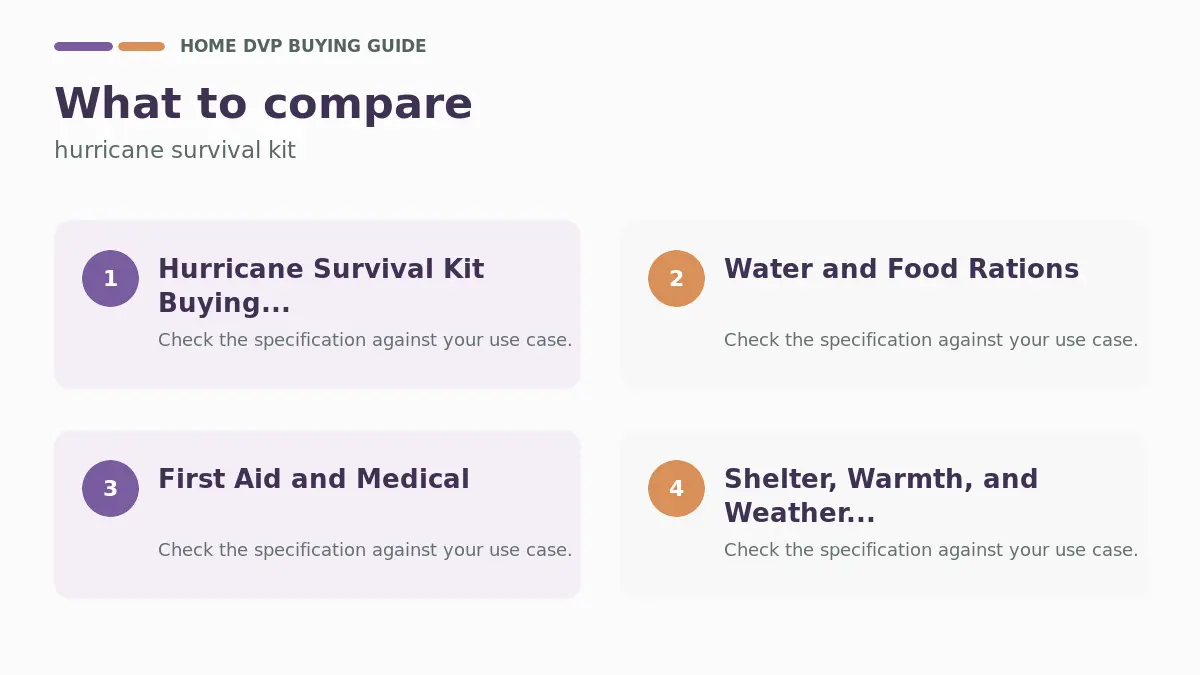
Water and Food Rations Capacity
Water is the top priority in any hurricane scenario. Look for kits that supply sealed drinking-water pouches with multi-year shelf life, ideally meeting or exceeding FEMA guidelines of one gallon per person per day. Many quality options include 24 packs of 125 ml emergency water or six to twelve 4-ounce pouches, plus purification tablets that treat additional quarts. Food bars should deliver at least 1,000 calories per person daily for 72 hours. U.S. Coast Guard-approved rations with five-year shelf life provide the most reliable nutrition without refrigeration.
A common mistake is underestimating household size. A two-person kit may leave larger families short. Check the stated capacity carefully and plan to supplement with extra water containers if needed. For longer outages, collapsible water bags included in some kits expand storage once you locate a clean source. Always rotate food and water before expiration dates, typically noted on packaging.
First Aid and Medical Supplies
Injuries from debris, glass, or falls occur frequently during storms. Comprehensive first-aid kits ranging from 33 pieces to over 200 pieces cover bandages, antiseptic wipes, gauze, gloves, and trauma items. Higher-end models add CAT tourniquets for severe bleeding control, which first responders and veterans often recommend for disaster kits. Medical emergency cards that list allergies and blood type help responders if you become incapacitated.
Evaluate the storage of medical supplies. A bright red pouch keeps items organized and easy to locate in low light. Avoid kits that bury first-aid components at the bottom of a cluttered bag. Families with children or elderly members should confirm that scissors, tweezers, and triangular bandages are included. Replace used or expired items promptly after any practice drills or real events.
Shelter, Warmth, and Weather Protection
Hurricanes often leave homes without power and sometimes force temporary outdoor sheltering. Thermal emergency blankets, rain ponchos, and compact tents or emergency shelters retain body heat and block wind and rain. Look for mylar blankets that fold small yet reflect heat effectively, and insulated ponchos that double as ground covers. Waterproof matches or fire starters allow you to dry clothes or signal for help when conditions improve.
Durability matters for these items. Thin plastic ponchos tear easily in high winds, while heavier materials last longer. Some kits pack multi-function axes or shovels for clearing debris or digging temporary drainage, which proves useful after flooding. Store the kit in a cool, dry place away from direct sunlight to preserve blanket integrity and prevent mold on fabric components. Homeowners in flood zones should prioritize fully waterproof outer bags.
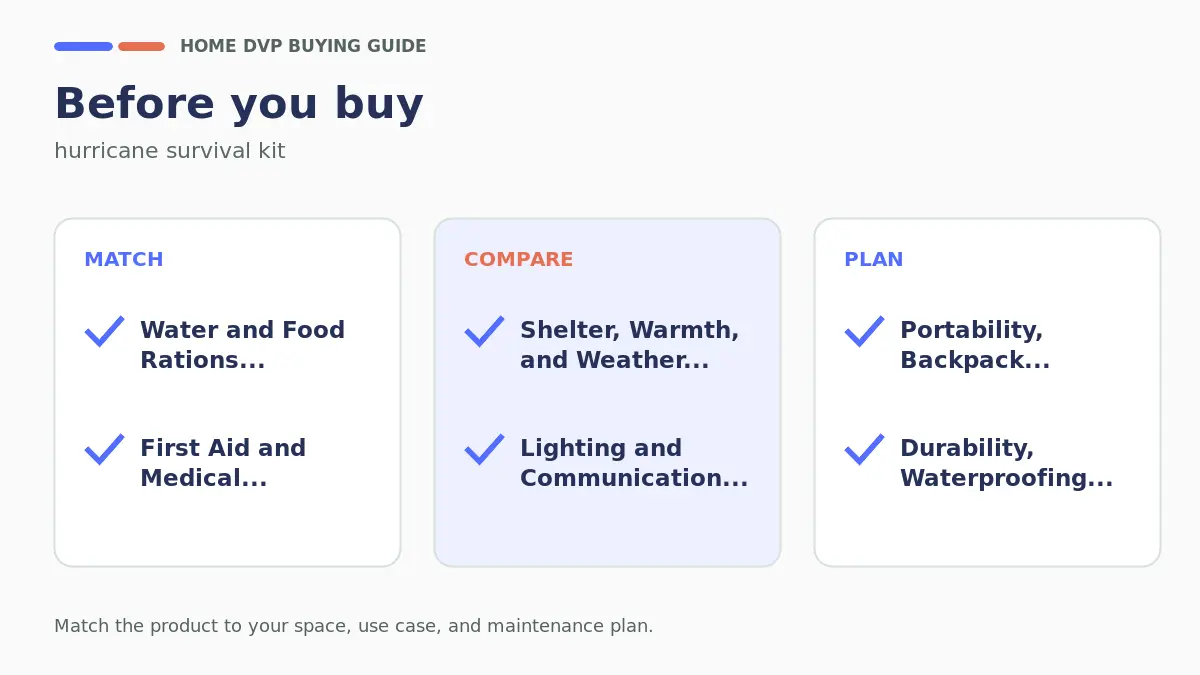
Lighting and Communication Tools
Power outages make lighting and information critical. Hand-crank or solar-powered flashlights, headlamps, glow sticks, and multi-function radios keep you informed and mobile without batteries. NOAA weather alert radios that automatically sound severe weather alarms provide advance notice of changing conditions. Models with AM/FM/shortwave bands, USB phone charging ports, and SOS alarms serve multiple roles. Built-in 5000 mAh batteries or five power sources (solar, crank, USB, plug, AAA backup) extend runtime significantly.
Test the radio and light before storing the kit. Weak reception or dim LEDs reduce usefulness. A telescopic antenna and earphone jack improve listening privacy and range. Pair the radio with a compass and whistle for signaling if you must leave the house. For more ideas on maintaining home systems during outages, review related guidance in our heating, cooling, and air resources.
Portability, Backpack Design, and Organization
When evacuation becomes necessary, a well-designed backpack or waterproof bag makes a difference. Heavy-duty tactical packs made from 1000D polyester with MOLLE panels, padded straps, waist belts, and multiple compartments keep gear organized and comfortable to carry. Waterproof main bags protect contents from storm surge or roof leaks. Crossbody bags or compact grab-and-go designs suit smaller spaces or single-person use.
Count the compartments and check zipper quality. Four main sections with inner pockets prevent items from becoming jumbled. Adjustable straps accommodate different body sizes, and mesh padding reduces fatigue on longer walks. Avoid oversized kits that are too heavy for elderly users or children. Place the packed kit near an exit door or in the vehicle so it is ready within seconds. Practice lifting and walking with the bag to confirm it fits your household members.
Durability, Waterproofing, and Build Quality
Storm conditions punish equipment. Water-resistant or fully waterproof bags, tear-resistant fabric, and sturdy zippers determine whether supplies stay dry and usable. Look for carbon-steel tools such as multi-function axes, shovels with picks, and wire saws that resist bending under load. Glow sticks, goggles, gloves, and dust masks add layers of personal protection against debris and contaminated air.
Based on available product information, kits designed by survivalists or aligned with American Red Cross recommendations generally use higher-grade materials. Inspect stitching and material thickness in product photos when possible. Store the kit off concrete floors and away from extreme temperatures to preserve plastic and fabric integrity. Replace any compromised items immediately after a storm or annual inspection. For complementary hardware needs, see our hardware category.
Household Size, Duration, and Value Considerations
Match the kit capacity to your family. One-person kits work for individuals or as vehicle backups, while two-person and four-person models suit couples or small families for the recommended 72-hour window. Deluxe versions often add multi-tools, hygiene kits, power stations with radio and charger functions, and larger first-aid assortments. Basic models cover essentials at lower cost but may require personal supplementation of medications, pet food, or documents.
Value is not just the lowest price. A kit that includes U.S. Coast Guard-approved water and food, a NOAA radio, and a durable backpack often delivers better long-term reliability than a cheaper assortment of low-quality items. Consider total calories, water volume, medical piece count, and tool quality together. Renters in apartments may prefer compact designs that fit under beds or in closets, while homeowners with garages can store larger tactical packs. Always verify current shelf-life dates upon purchase.
Common Mistakes to Avoid When Buying
Many people buy a kit and never open it again until an emergency. Schedule annual checks each September to rotate expired food and water, test lights and radios, and update contact cards. Another frequent error is ignoring personal medical needs—add prescription medications, glasses, and infant or pet supplies yourself. Choosing a kit that is too heavy or lacks shoulder straps can hinder evacuation, especially with children.
Do not rely solely on the kit for every scenario. Combine it with a family communication plan, important document copies in waterproof bags, and knowledge of local evacuation routes. Overlooking waterproofing in flood-prone areas leads to ruined supplies. Finally, resist the urge to buy the most expensive option if the feature set exceeds your needs; a well-chosen mid-range kit from trusted lines often performs better in actual use.
Our Research Methodology & Why You Can Trust Us
At Home DVP we approach every hurricane survival kit comparison with transparent, specification-driven analysis. We examine product data for water and food volume, calorie counts, first-aid piece numbers, power sources, material claims, and stated capacity for one, two, or more people. We cross-reference features against established emergency guidelines from sources such as the American Red Cross and FEMA recommendations for the critical 72-hour period.
Our ranking criteria include performance of included tools, completeness of feature sets, build quality indicators such as fabric denier and waterproofing, ease of use and organization, durability under harsh conditions, safety elements like tourniquets and NOAA alerts, overall value within the available price spectrum, reliability of shelf-life claims, and fit for typical homeowner or renter scenarios. User feedback patterns available in product information help identify consistent strengths and weaknesses without relying on unverified claims.
We validate that every product belongs in the Emergency Supplies category and aligns with hurricane preparedness needs. Content is reviewed and updated during September to reflect current availability and specification changes. We never claim hands-on testing unless explicitly supported by the provided product data. Instead we rely on clear, objective comparison of listed features so readers can trust the recommendations for practical home use. For additional climate-related preparation tips, visit our air quality and climate section.
Final Thoughts
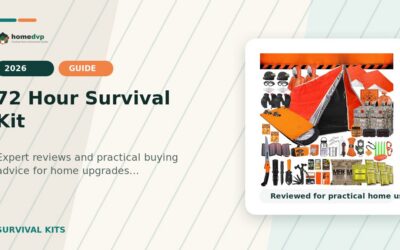
After carefully analyzing the available specifications across the reviewed options, several stand out for different household needs. The EVERLIT Complete 72 Hours Earthquake Bug Out Bag Emergency Survival Kit for Family earns our Overall Pick for its comprehensive two-person, 72-hour capacity, U.S. Coast Guard-approved water and food, extensive 200-piece first-aid set with CAT tourniquet, hand-crank multi-tool light and radio, and heavy-duty 1000D tactical MOLLE backpack. It suits families seeking thorough preparation for hurricanes and related disasters.
For value-conscious shoppers, the Ready America 70280 72 Hour Emergency Kit, 2-Person, 3-Day Backpack provides solid essentials including food bars, water pouches, a 33-piece first-aid kit, safety light sticks, blankets, and ponchos in a portable red backpack at an accessible price point. The SiriusSurvival Pre-Packed Hurricane Kit stands as a strong Premium Pick with its waterproof bag, lantern, weather radio, phone charger, and complete supplies designed specifically for two people in hurricane conditions. Beginners and apartment dwellers often prefer compact Ready America 1-Person or 2-Person Deluxe kits that include hygiene items and hand-crank power stations for easy grab-and-go use.
Pair any kit with personal medications, important documents, and a practiced family plan. Revisit your supplies each September and explore the full range of options in our Emergency Supplies category. With the right hurricane survival kit chosen from the models reviewed here, homeowners and renters gain meaningful peace of mind for the 2026 hurricane season and beyond.
Frequently Asked Questions
What should I look for when choosing hurricane survival kit?
Focus on water and food that sustain your household for at least 72 hours, a well-stocked first-aid kit, reliable lighting and a NOAA weather radio, waterproof storage, and a comfortable backpack or bag. Match the stated person capacity to your family size and verify shelf-life dates. Prioritize kits that follow American Red Cross or FEMA-aligned guidelines for the most practical coverage.
Are higher-end hurricane survival kit worth it?
Higher-end models often include more water pouches, Coast Guard-approved food bars, larger first-aid assortments with trauma tools, multi-power radios that charge phones, and durable tactical backpacks. These features improve readiness for multi-day outages and justify the cost for many families. Basic kits still work for individuals if you plan to add personal items later.
How should beginners choose hurricane survival kit?
Start with a ready-made 72-hour kit sized for one or two people that already contains food, water, first aid, light, and a blanket. Choose models with clear organization and a simple backpack design so you can grab it quickly. Read the full contents list and add any missing personal medications or documents before storing it near an exit.
How long should quality hurricane survival kit last?
Food and water rations commonly carry five-year shelf lives when stored properly in cool, dry conditions. Flashlights, radios, and fabric items can last many years with annual inspection and battery checks. Replace any expired or damaged components promptly and re-evaluate the full kit every September to maintain readiness.
What brands make reliable hurricane survival kit?
Brands such as ReadyAmerica, Etekcity, EVERLITSURVIVAL, EmergencyZone, Eoxsmile, BlueCoolers appear frequently in well-specified options that include Red Cross-recommended essentials or Coast Guard-approved rations. Look for consistent features like multi-year shelf life, waterproof bags, and NOAA radios rather than brand name alone. Cross-check current product data for the specific model you consider.
How much should homeowners expect from hurricane survival kit in 2026?
Effective kits in the current market typically fall within the $15.99–$170 range depending on person capacity and feature depth. Expect sealed water and food, first-aid supplies, lighting, blankets, and a carry bag at minimum. Deluxe packs add multi-tools, hygiene kits, and phone-charging radios for added versatility during extended outages.
Are hurricane survival kit suitable for DIY projects, home repairs, or regular maintenance?
hurricane survival kit are designed primarily for disaster readiness rather than everyday DIY or home repair tasks. However, many include multi-tools, flashlights, and first-aid items that prove handy during power outages or minor emergencies that accompany home maintenance. Keep the dedicated emergency kit sealed and create a separate tool kit for routine projects. For more home safety planning, visit our Emergency Supplies page.