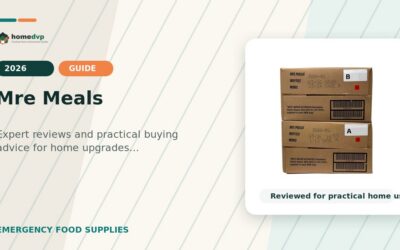

Build a food reserve around meals your household can actually prepare and eat. Start with familiar shelf-stable foods, record dates and quantities, and expand only when you have a suitable storage location and a rotation routine.
A long shelf-life claim on one sealed product does not apply to every food or to repackaged ingredients. Follow the product label and food-specific preservation guidance rather than treating all storage containers as equivalent.
Plan Meals Before Buying Bulk Containers
Write a short menu and list each ingredient, preparation requirement, and serving size. Check allergens and household preferences. Count usable meals rather than relying only on a bucket’s advertised serving count; a serving of a drink mix is not interchangeable with a complete meal.
Also plan the water and cooking method each food requires. Keep the first purchase small enough to try during ordinary meal preparation before committing to a large reserve.
Match Packaging to the Food
Use food-grade packaging suitable for the ingredient and intended storage method. Oxygen absorbers are not a universal preservation treatment and do not make moist food shelf-stable. Consult Utah State University Extension’s food-specific packaging guidance before repackaging dry goods. Do not improvise preservation methods for foods that require refrigeration or tested processing.
Keep a Simple Inventory
| Record | Reason |
|---|---|
| Food and quantity | Shows what meals are actually available |
| Purchase and label dates | Supports rotation and review |
| Storage location | Makes items easy to find |
| Preparation needs | Flags required water or cooking equipment |
| Opened date and label instructions | Separates opened items from sealed stock |
Review the inventory when shopping and move older appropriate stock into normal meal use. Replace what you use instead of allowing supplies to become an untracked collection.
Storage and Product Selection Considerations
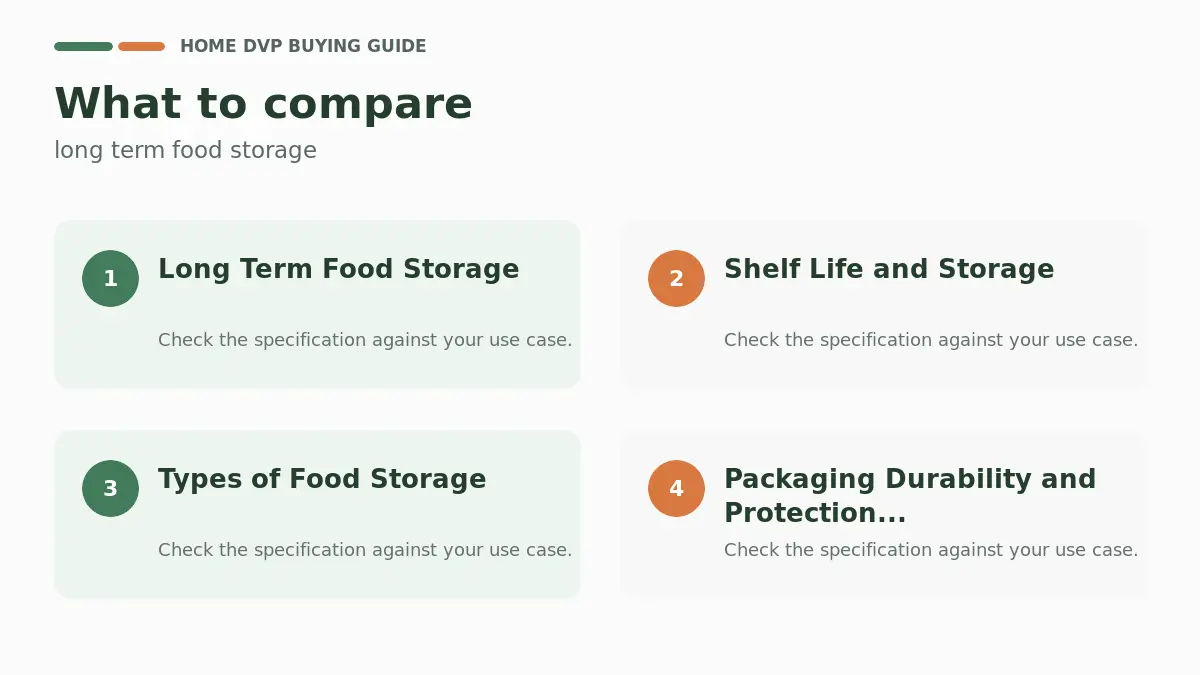
Selecting effective long term food storage goes beyond grabbing the largest bucket. Homeowners need solutions that store safely in basements, closets, or garages while delivering usable meals years later. After carefully analyzing the available specifications, we identified the core criteria that separate solid emergency options from products that may disappoint when needed most.
Shelf Life and Storage Conditions
Shelf life is the foundation of any long term food storage plan. Many freeze-dried and dehydrated products claim 10 to 25 years when stored properly, but actual longevity depends on temperature, light exposure, and moisture control. Ideal conditions stay cool, dark, and dry, ideally below 70 degrees Fahrenheit. Higher temperatures can cut usable life significantly even if packaging remains sealed.
A common mistake is storing food near water heaters, attics, or uninsulated garages where heat fluctuates. Based on product data, cans and buckets with oxygen absorbers and multi-layer barriers perform best for multi-decade storage. Always check manufacturer guidance for temperature ranges and rotate stock using a first-in, first-out system to maintain quality. For climate control tips that protect stored goods, review related advice in our Heating, Cooling & Air resources.
When comparing options, prioritize products that clearly list shelf life under proper conditions and include oxygen absorbers or nitrogen flushing. Homeowners in humid regions should pay extra attention to moisture barriers to prevent spoilage.
Types of Food Storage Solutions
Modern long term food storage falls into several categories: ready-to-eat freeze-dried entrees, dehydrated staples like soups and potatoes, baking mixes, and supporting tools such as mylar bags plus oxygen absorbers. Freeze-dried meals rehydrate quickly and retain more texture and nutrition, making them ideal for complete emergency kits. Dehydrated items often cost less per serving and work well as ingredients in larger recipes.
Bulk cans of chopped onions, pancake mix, or mashed potatoes offer flexibility for cooking variety, while full buckets deliver grab-and-go convenience with dozens of servings. Mylar bag kits allow DIY packing of rice, beans, or pasta for customized long-term reserves. Choose based on your household size and cooking preferences. Families with children often prefer varied entrees, while budget-focused users build around staples and flavoring packets.
Mixing types creates balance. Keep a few premium freeze-dried buckets for immediate needs and stock affordable cans or DIY mylar packs for extended coverage. This approach maximizes both readiness and value.
Packaging Durability and Protection
Packaging determines whether food survives decades of storage. Multi-layer mylar bags with aluminum barriers block light, oxygen, and moisture far better than standard plastic. Thicker mil ratings, such as 11.8 mil constructions, improve puncture resistance. Oxygen absorbers further extend freshness by removing residual air that causes oxidation and flavor loss.
Cans and buckets with resealable lids or gamma seals provide excellent secondary protection and stack efficiently. Look for food-grade materials, oxygen indicators, and individual vacuum packaging of absorbers so unused packets stay effective. A frequent error is using thin bags without proper heat sealing or absorbers, which shortens real-world shelf life dramatically.
Based on available product information, kits that include multiple bag sizes, labels, and clips simplify organization. Pair strong packaging with cool, dry storage for maximum results. Hardware storage solutions can help keep everything tidy; see options in our Hardware category.
Nutrition, Variety, and Dietary Considerations
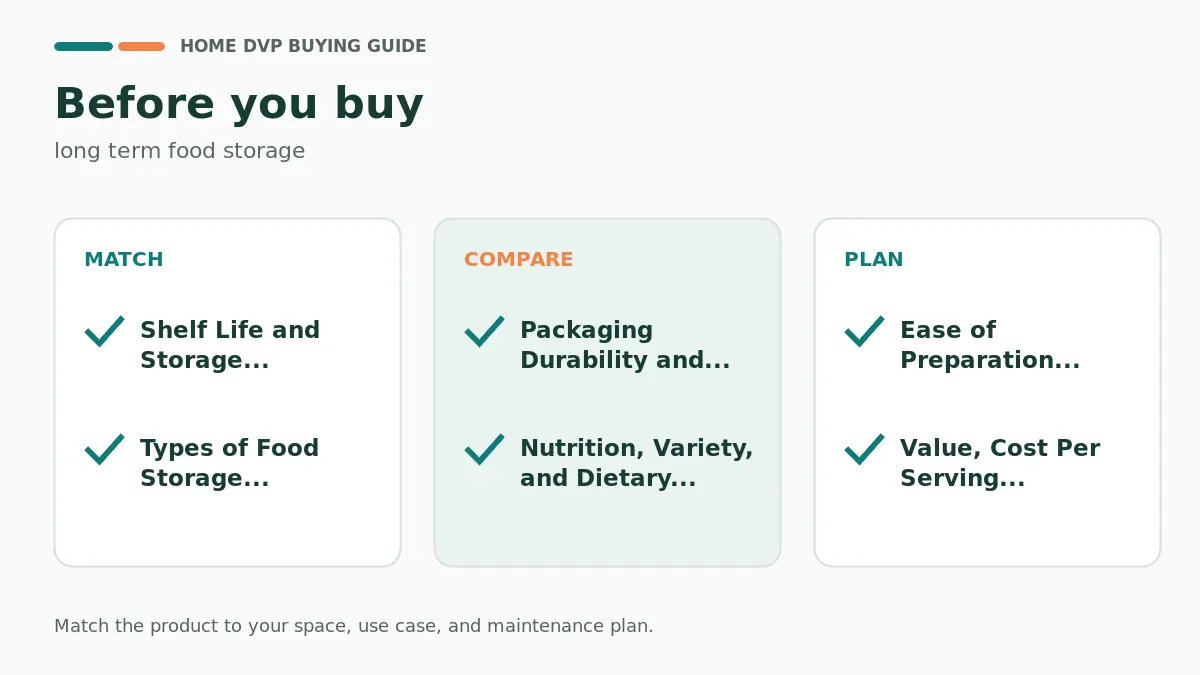
Emergency meals should deliver calories, protein, and basic vitamins without excessive sodium or fillers. Freeze-dried entrees often provide complete plates with vegetables and proteins, while dehydrated soups and sides add comfort and bulk. Check serving sizes carefully; some products list high serving counts with modest calorie totals.
Variety prevents meal fatigue during extended emergencies. Kits that include breakfasts, main dishes, and staples offer better long-term usability than single-item bulk packs. Gluten-free or low-trans-fat options expand accessibility for more households. Review ingredient lists for allergens and confirm preparation needs match your water and fuel availability.
Our research indicates that balanced assortments from established brands support both short outages and multi-week scenarios more effectively than monochromatic stockpiles of only rice or pasta.
Ease of Preparation and Practical Use
In a crisis, simple preparation matters. Just-add-water mixes and freeze-dried meals that rehydrate in minutes with boiling or even cool water reduce fuel needs and skill requirements. Baking mixes for bread or pancakes add variety but require more steps and equipment.
Consider your household’s cooking resources. Apartment renters may favor no-cook or minimal-heat options, while homeowners with camping stoves can handle simmered soups. Clear instructions and short cook times improve real-world success rates. Avoid products that demand specialized tools or long soaking periods unless you have practiced with them.
Practice preparing a few meals in advance so everyone knows the process. This experience builds confidence and reveals any taste or texture preferences before an actual emergency.
Value, Cost Per Serving, and Scalability
True value in long term food storage comes from cost per usable serving combined with reliability. Individual cans offer low entry prices and allow gradual building of a pantry. Larger buckets deliver lower cost per serving and convenient portability but require more upfront investment and storage space.
Calculate roughly by dividing total cost by claimed servings while noting calorie density. Supporting products like oxygen absorbers and mylar bags let you preserve bulk dry goods cheaply over time. Start with a two-week supply and expand as budget allows rather than buying everything at once.
Based on our detailed comparison of specifications, mixing affordable staples with a few premium complete kits provides excellent coverage without overspending. Track purchases and rotation dates to avoid waste.
Brand Reputation and Quality Indicators
Trusted names in emergency supplies consistently deliver consistent packaging, accurate serving claims, and clear labeling. Look for food-grade certifications, oxygen absorber quality, and transparent shelf-life statements. High user feedback volume often signals reliable performance across many households.
While ratings help, focus on specific comments about taste after rehydration, bag durability, and actual storage results. Brands that specialize in prepper and camping foods tend to understand long-term needs better than general grocery lines. Cross-check claims against independent storage guidelines for best results.
Space, Organization, and Integration Into the Home
Even the best food is useless if you cannot store it properly. Stackable buckets and cans fit under beds, in closets, or on sturdy shelves. Mylar kits with multiple sizes support modular organization of bulk purchases. Label everything with contents and pack dates for easy inventory.
Plan for cool, dry locations away from direct sunlight and pests. Use plastic totes as secondary barriers in damp basements. Integrating long term food storage into regular pantry rotation keeps supplies fresh and familiar. Pair food storage with broader home readiness items found in our Emergency Supplies collection for a complete approach.
Measure available space first, then select products that fit without overcrowding living areas. Small-space dwellers can prioritize compact cans and vacuum-sealed bags over large buckets.
How to Use the Product References
The product listings are supplementary references, not hands-on test results. Verify the exact model, current documentation, and suitability for your needs. Available listings can change; do not treat the number displayed as a fixed research sample.
Before You Decide
Resolve the requirements described above before comparing individual products. Check the exact model documentation and current price, and do not let a promotional feature replace a compatibility or safety check.
Frequently Asked Questions
Does all stored food last 25 years?
No. Shelf life depends on the food, packaging, conditions, and whether it has been opened. Apply a manufacturer’s claim only to the product and conditions it specifies.
Is a garage a good storage location?
Check whether it meets the food’s storage requirements throughout the year. Heat and moisture matter; consult USU Extension’s storage-condition guidance before choosing the space.
Can I put oxygen absorbers in every container?
No. Use food-specific guidance rather than a universal rule. An absorber is not a substitute for a validated preservation method.
How do I compare the value of meal kits?
Compare meals your household will use, dietary fit, preparation requirements, and total cost. Do not compare serving counts without checking serving size and what each serving contains.