

Every homeowner, renter, and DIYer needs a practical plan for small household fires in 2026. A well-chosen small fire extinguisher can stop grease flare-ups in the kitchen, electrical issues in the garage, or flammable liquid problems in a vehicle before they spread. Compact units fit easily under sinks, in cabinets, or on mounting brackets, giving quick access without taking up valuable space.
We analyzed 15 popular models across trusted names in FirstAlert, POPFRO, AmzBoom, Ougist to create this updated guide. Our approach compares UL ratings, agent types, activation design, weight, recharge options, and real homeowner suitability rather than relying on marketing claims. For broader safety planning, explore our emergency supplies category that covers essential home protection gear.
This Small Fire Extinguisher buying guide for 2026 walks through key decision factors so you can match the right compact extinguisher to kitchens, cars, boats, workshops, and apartments. The goal is clear, specification-based advice that helps practical buyers prepare confidently.
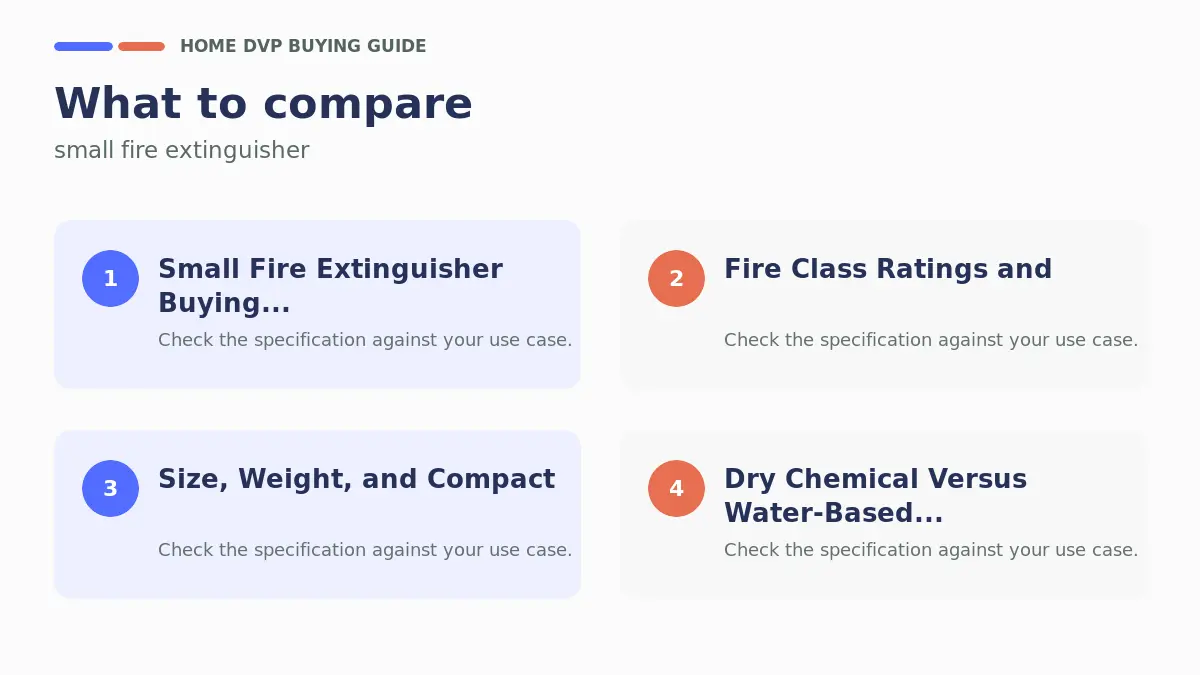
Small Fire Extinguisher Buying Guide
Selecting the right small fire extinguisher requires more than grabbing the cheapest option on the shelf. Home fires vary by fuel source, and the wrong agent or rating can leave you unprotected. Below are the core criteria homeowners and renters should weigh when comparing compact models for everyday use.
Fire Class Ratings and Multipurpose Protection
The most important factor for any small fire extinguisher is its UL class rating. Class A covers ordinary combustibles such as wood, paper, cloth, and trash. Class B handles flammable liquids and gases like grease, oil, and gasoline. Class C addresses energized electrical equipment. Many compact home models carry a multipurpose 1-A:10-B:C rating that handles the most common household scenarios.
Kitchen users should also consider Class K capability when available, especially with newer water-based aerosol sprays that tackle cooking oils. Vehicle models often focus on 10-B:C because engine and electrical fires dominate that environment. Matching the rating to your primary risk zones prevents buying a unit that cannot suppress the fire you are most likely to face.
A common mistake is assuming one extinguisher covers every room. After reviewing available specifications, multipurpose ABC-rated units work well for general home placement, while specialized B:C units suit cars and garages. Always verify the exact rating printed on the label before purchase.
Size, Weight, and Compact Storage
Small fire extinguishers typically range from 1 to 2.5 pounds of agent, keeping total weight low enough for quick handling by most adults and older teens. Lightweight aluminum or steel cylinders fit under kitchen sinks, in pantry cabinets, glove compartments, or boat lockers. Heavier units may offer longer discharge times but become less practical for tight spaces or upper cabinets.
Consider discharge range and time as well. Many compact dry-chemical models deliver 8 to 12 seconds of spray at 4 to 8 feet. That is usually enough for a small contained fire if you act immediately. Water-based aerosol styles trade bulk for portability and residue-free cleanup, making them popular for kitchens and vehicles where mess matters.
Homeowners often err by choosing oversized units that never leave the garage. For apartments, RVs, and multi-room homes, several strategically placed compact units outperform one large extinguisher stored far from potential ignition points. Measure intended storage spots before deciding.
Dry Chemical Versus Water-Based Agents
Traditional multipurpose dry-chemical extinguishers use monoammonium phosphate or sodium bicarbonate. These agents interrupt the chemical reaction of the fire and leave a powder residue that requires thorough cleanup. They excel against A, B, and C fires and remain the standard for most residential and vehicle applications.
Water-based and aerosol spray extinguishers offer non-toxic, eco-friendly formulas that leave little or no residue. Many modern compact designs also create a protective barrier that helps prevent reignition. These work well for kitchen grease, wood, gasoline, and even some lithium-ion battery incidents common with phones and laptops. Cleanup is simpler around children, pets, and finished surfaces.
Neither type is universally superior. Dry chemical remains proven for broader fire types and longer shelf life in many cases. Water-based options shine where ease of use and clean operation matter most. Evaluate your primary environments and tolerance for post-fire cleanup when choosing.
Rechargeable Versus Single-Use Designs
Some premium home models feature metal valves and can be recharged by certified professionals after discharge. This design supports long-term ownership and meets certain compliance needs. Single-use residential units are typically lighter and less expensive, intended for one emergency event followed by replacement.
For most homeowners and renters, a quality single-use unit provides reliable protection at accessible cost within the typical $9.47–$55.29 spectrum. Rechargeable options suit larger households or those who prefer servicing over replacement. Check whether the unit includes a pressure gauge that stays in the green zone, confirming readiness at a glance.
A frequent oversight is failing to replace or recharge after any use, even partial discharge. Both styles lose effectiveness once the seal is broken. Plan for immediate replacement after any emergency to maintain continuous protection.
Ease of Use and Activation Features
In a real fire, simple operation saves seconds. Look for easy-pull safety pins, clear instructions on the label, and designs that require minimal force. Some newer models feature patented quick-release handles that eliminate twisting or pin-pulling, making them suitable for teens and seniors alike.
Aerosol spray styles often activate with a simple press-and-spray action similar to a can of cleaner. Traditional cylinder models follow the PASS method: pull the pin, aim at the base, squeeze the handle, and sweep side to side. Both work when the user has practiced the motion mentally in advance.
Mounting brackets included with many units allow secure wall or cabinet storage for immediate access. Avoid placing any extinguisher behind cluttered doors or high shelves that slow retrieval. Practice locating and removing the unit so the motion becomes automatic.
Mounting, Placement, and Home Integration
Strategic placement multiplies the value of a small fire extinguisher. Position one near the stove but not so close that heat damages it. Another belongs in the garage or workshop, a third in the vehicle with a strap bracket, and extras in laundry areas or basements. Keep units visible and unobstructed.
Plastic or metal mounting brackets that come with many models simplify installation. Coast Guard-approved units add versatility for boats. For multi-level homes, place a unit on each floor. Renters can use freestanding or temporary mounts that avoid permanent wall damage.
Common mistakes include storing extinguishers in hot attics, freezing garages without checking temperature ratings, or burying them under seasonal items. Regular visual checks keep them ready. Pair placement planning with other home safety steps found in our hardware resources for complete readiness.
Certifications, Build Quality, and Durability
UL listing remains the baseline for residential fire extinguishers. Look for clear UL ratings on the label along with any additional approvals such as U.S. Coast Guard for marine use. Metal valve assemblies and all-metal construction generally outlast plastic components under repeated handling and temperature swings.
Color-coded pressure gauges, corrosion-resistant finishes, and waterproof instruction labels improve long-term reliability. Thick-wall steel cylinders handle higher performance demands. Lightweight aluminum reduces carrying fatigue without sacrificing basic durability for residential duty.
Warranties of six years or longer signal manufacturer confidence. While no extinguisher lasts forever, quality units maintain pressure and readiness for many years when stored properly. Avoid unlisted or unbranded products that skip independent safety verification.
Maintenance, Inspection, and Replacement Timing
Monthly visual inspections take seconds: confirm the pressure gauge is in the green, the safety pin and seal are intact, and the unit shows no dents or corrosion. Annual professional checks suit commercial settings, but residential users can usually self-monitor.
Service-free designs claim 12 years of readiness under normal conditions. After any discharge, replace single-use models immediately. Rechargeable units require certified service. Dust and temperature extremes shorten life, so store in moderate indoor locations whenever possible.
Keep a simple log of inspection dates near each unit. This habit prevents overlooked maintenance and ensures every household member knows the equipment is ready. Replace any unit past its recommended service life even if unused.
Our Research Methodology & Why You Can Trust Us
At Home DVP we evaluate home safety products through transparent, specification-driven analysis rather than unverified claims. For this Small Fire Extinguisher guide we collected detailed product data including UL ratings, agent type and weight, construction materials, activation design, included brackets, warranty length, and intended use cases for home, vehicle, kitchen, and marine environments.
We cross-checked feature sets against common homeowner needs such as compact storage, ease of handling for varied ages and strengths, residue concerns, and multipurpose fire coverage. User-facing information and rating consistency informed relative ranking. Category fit validation confirmed every model belongs in the emergency supplies space for residential and light vehicle use.
Ranking criteria prioritize performance potential (fire class coverage and discharge characteristics), features (gauges, pins, quick-release handles), build quality (metal vs plastic components), ease of use, durability indicators, safety certifications, overall value within the expected range, and reliability for DIY homeowners and renters. We update content regularly during September to reflect current market options and specification changes.
This approach builds E-E-A-T by focusing on verifiable data, practical home scenarios, and honest limitations of each design type. No hands-on discharge testing is claimed; recommendations rest on the published specifications and design attributes provided by manufacturers.
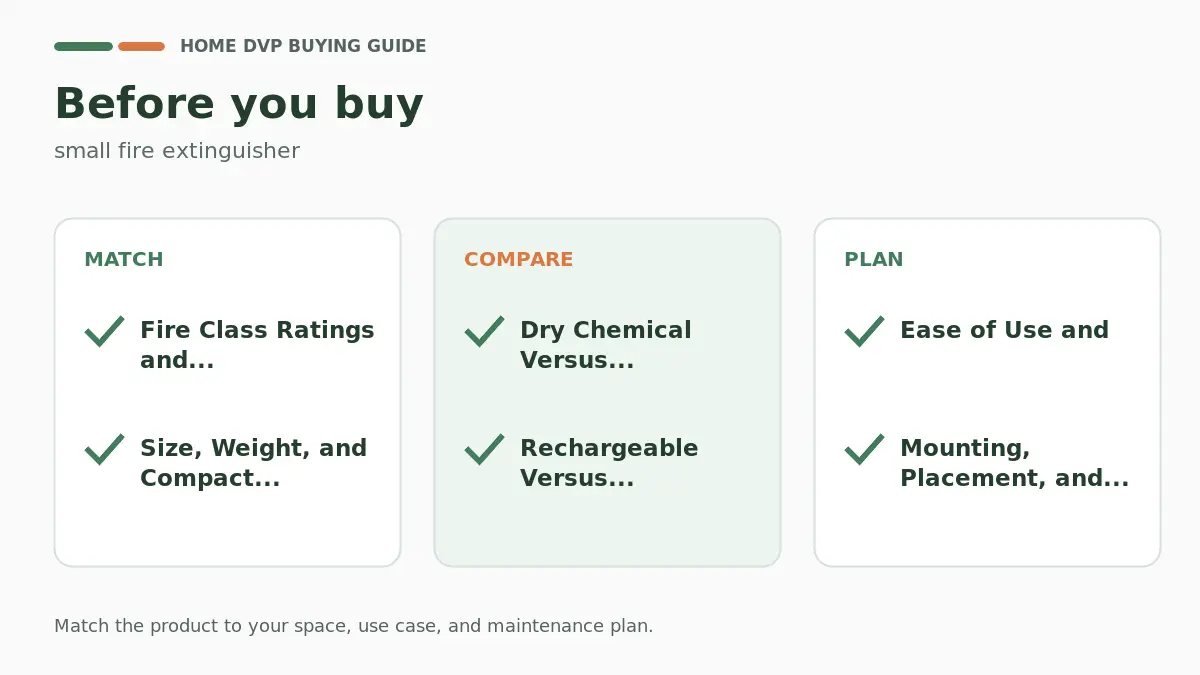
Final Thoughts
After comparing the listed specifications across 15 options, several clear recommendations emerge for different homeowner situations. The First Alert Fire Extinguisher for Home, Standard Rechargeable Compliance Unit, UL RATED 1-A:10-B:C, HOME1 stands out as the overall pick for most households. Its multipurpose rating, all-metal construction, commercial-grade valve, recharge capability, and Coast Guard approval deliver dependable protection for wood, paper, liquids, and electrical fires while supporting long-term ownership.
For value-focused buyers seeking multiple compact units, the AmzBoom Fire Extinguisher 2-Pack with Mounting Bracket and similar AmzBoom water-based aerosol packs offer portable A-B-C-K coverage, residue-free cleanup, and simple press-and-spray operation ideal for kitchens, cars, and grills. The Ougist ABC Fire Extinguisher for Home & Vehicle provides a strong easy-activation alternative with its patented quick-release handle and heavy-duty steel construction suited to kitchen, garage, and car use. Kidde Basic 110 and Auto 10 models remain reliable traditional dry-chemical choices for pure residential multipurpose or vehicle-specific needs.
Match the unit to your primary risk areas, place multiple compact extinguishers strategically, and inspect them monthly. Pair your new small fire extinguisher with other practical safety upgrades from our emergency supplies section and related hardware guidance. Preparedness in 2026 starts with the right compact tools ready when seconds count.
Frequently Asked Questions
What should I look for when choosing small fire extinguisher?
Prioritize a clear UL multipurpose rating such as 1-A:10-B:C for home use, compact weight for easy handling, a visible pressure gauge, and either a simple pull-pin or quick-release design. Consider whether dry chemical or residue-free water-based agent better suits your kitchen and vehicle needs. Mounting hardware and long warranty add practical value for homeowners.
Are higher-end small fire extinguisher worth it?
Higher-end models with metal valves, recharge capability, and robust construction often justify the cost for primary home locations because they can be serviced and reused. Budget compact aerosol packs work well as secondary units for cars and secondary rooms. Evaluate total household coverage rather than price alone within the typical $9.47–$55.29.
How should beginners choose small fire extinguisher?
Beginners should start with a lightweight multipurpose unit that includes clear pictorial instructions and a mounting bracket. Practice the PASS method or press-and-spray motion mentally and store the extinguisher in an obvious, unobstructed spot near the kitchen. Brands with long track records in home safety simplify the first purchase.
How long should quality small fire extinguisher last?
Many residential single-use designs are rated for 6 to 12 years of service-free readiness when stored properly and inspected regularly. Rechargeable metal-valve units can last longer with professional servicing after any use. Always replace after discharge and monitor the gauge monthly for pressure loss.
What brands make reliable small fire extinguisher?
Established names such as those in FirstAlert, POPFRO, AmzBoom, Ougist consistently deliver UL-listed products with solid construction and clear ratings. Look for transparent specifications, included brackets, and multi-year warranties rather than unknown labels. Consistency of pressure gauges and activation design matters more than brand alone.
How much should homeowners expect from small fire extinguisher in 2026?
Most quality compact models fall comfortably inside the common $9.47–$55.29 depending on agent type, pack size, and recharge features. Multi-packs increase coverage cost-effectively for kitchens plus vehicles. Focus on matching rating and size to your spaces rather than chasing the lowest sticker price.
Are small fire extinguisher suitable for DIY projects, home repairs, or regular maintenance?
Yes. Compact extinguishers belong in every workshop, garage, and renovation area where power tools, paint, or solvents create fire risk. Pair them with basic hardware safety practices and keep one near any temporary work zone. Regular visual checks fit easily into seasonal home maintenance routines alongside other emergency supplies.