

Every homeowner, renter, and DIYer should treat fire safety as a non-negotiable part of home maintenance. A well-chosen unit can stop a small kitchen flare-up or electrical issue before it spreads, protecting people and property. With updated building codes, new materials in modern homes, and growing awareness around household risks, having the right fire extinguisher for home ready is more important than ever in 2026.
We carefully compared 15 models spanning different ratings, sizes, and designs to create this practical buying guide. Our process focused on UL ratings, construction quality, ease of use for everyday family members, recharge options, mounting practicality, and overall value for typical homes. Whether you need coverage for a kitchen, garage, basement, or multi-story layout, this guide helps you match the right option to your space. Explore more options in our full emergency supplies category for complementary safety gear.
After evaluating specifications, user feedback patterns, and real-world homeowner needs, we highlight clear strengths and trade-offs so you can decide with confidence. Keep reading for detailed buying criteria, our transparent methodology, and final recommendations based on the available product data from trusted names including FirstAlert, Amerex, ColumbiaSafety, Ougist, AmzBoom.
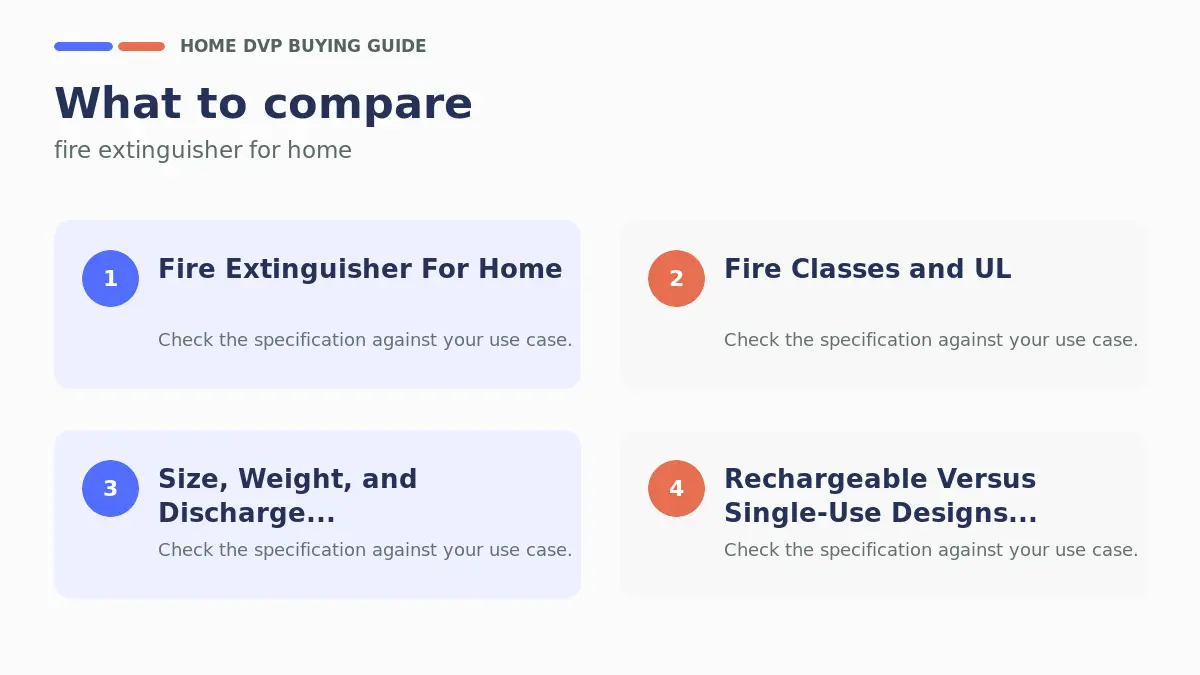
Fire Extinguisher For Home Buying Guide
Choosing the right fire extinguisher for home starts with understanding what actually happens in a home fire and matching the tool to those risks. Many buyers grab the first red cylinder they see without checking ratings or placement needs, which can leave gaps in protection. This section breaks down the key decision factors with practical advice for apartments, single-family homes, and workshops. We also cover common mistakes so you avoid under- or over-buying.
Understanding Fire Classes and UL Ratings
Home fires fall into specific classes, and the right extinguisher must match them. Class A covers ordinary combustibles like wood, paper, and trash. Class B handles flammable liquids and grease. Class C addresses energized electrical equipment. Most multi-purpose residential units carry an ABC rating, which is ideal for general home use. Look for clear UL ratings such as 1-A:10-B:C or 2-A:10-B:C printed on the label. Higher numbers generally indicate greater capacity for larger fires, but bigger is not always better for quick kitchen response.
A common mistake is selecting a unit rated only for B:C when Class A materials are present throughout the house. Based on the product data we reviewed, many popular models from established brands deliver solid 1-A:10-B:C performance suitable for most living spaces. Always verify the rating matches your highest-risk areas. For kitchens with frequent cooking oil use, a dedicated grease-friendly design can reduce splash risk compared with standard dry chemical alone.
When comparing, prioritize models that list the full UL rating and note any Coast Guard approval for added marine or garage versatility. This single specification filter eliminates many under-powered options and keeps the focus on real homeowner protection needs.
Size, Weight, and Discharge Capacity
Smaller 2- to 2.5-pound units are lightweight and easy for most adults to handle, making them practical for upper cabinets or hallway mounting. Larger 5-pound models deliver longer discharge times and greater coverage but can feel heavy during an emergency. Discharge range typically falls between 4 and 15 feet depending on the design, while discharge duration often runs 8 to 12 seconds for compact residential models. Choose based on who will use the unit and where it will live.
Homeowners with multi-level homes often benefit from several smaller units rather than one large cylinder. A compact model near the stove and another near the electrical panel or garage door provides faster access. Avoid models so heavy that elderly family members or teens cannot operate them confidently. After comparing the listed specifications, we noted that aluminum construction keeps many popular units light without sacrificing durability.
Think about storage space as well. Wall-mounted brackets included with many models free up floor and cabinet room. Measure your intended location before buying so the unit sits within easy reach yet out of high-traffic pathways where it might get bumped.
Rechargeable Versus Single-Use Designs
Rechargeable units can be professionally refilled after discharge and often feature all-metal valves and commercial-grade construction. They make sense for larger homes or workshops where replacement cost would add up. Single-use models are simpler and usually more affordable up front. Once discharged, they must be replaced. Both styles appear frequently in home safety setups, and both can carry strong UL listings.
A frequent error is assuming every extinguisher is rechargeable. Check the product description carefully. Rechargeable designs typically note that a certified professional can service them and often include a metal gauge and pull pin with safety seal. Single-use models emphasize service-free design lasting many years if unused. For most renters and first-time buyers, a quality single-use multi-purpose unit provides excellent protection without ongoing maintenance complexity.
If you already own one rechargeable unit for the garage, pair it with single-use models for kitchens and bedrooms to balance cost and coverage. This hybrid approach appears practical based on typical homeowner layouts we reviewed.
Ease of Use, Safety Features, and Handles
In a real emergency, simplicity matters most. Look for an easy-pull safety pin, a clear pressure gauge that stays in the green zone when charged, and a comfortable handle. Some newer designs feature patented quick-release handles that reduce fumbling. Color-coded gauges and waterproof instruction labels further improve usability under stress. Metal valves and triggers generally feel more durable than plastic alternatives during repeated practice checks.
Practice the PASS method (Pull, Aim, Squeeze, Sweep) with family members so everyone knows the motion. Choose a model light enough that the smallest adult in the household can aim and hold it steady. Mounting brackets with straps keep the unit secure yet allow one-handed removal. Avoid designs that require complicated twisting or tools to activate.
Based on available product information, units with corrosion-resistant gauges and sealed pins help prevent accidental discharge or tampering. These features add everyday peace of mind for households with children or pets.
Placement, Mounting, and Multi-Unit Strategy
Proper placement multiplies the value of any fire extinguisher for home. Install one near the kitchen exit, another near the furnace or electrical panel, and additional units on each floor. Keep them visible and unobstructed. Wall hooks or plastic strap brackets included with many models make installation straightforward for DIYers. Never store an extinguisher inside a cabinet where you waste precious seconds opening a door.
Garage and vehicle locations benefit from models that handle temperature swings and offer Coast Guard approval. Kitchen-specific sets that include a flared-nozzle grease unit plus a standard multi-purpose unit address two of the most common home fire sources. For apartments, prioritize compact sizes that fit limited wall space yet still deliver ABC coverage.
A multi-unit strategy often costs less long-term than replacing one oversized model after a single use. Pair your main units with complementary safety items from the hardware section when upgrading overall home readiness.
Build Quality, Materials, and Durability
All-metal construction, commercial-grade valves, and corrosion-resistant finishes stand up better over years of storage. Aluminum cylinders keep weight down while resisting rust. Thick-wall steel appears in some heavier-duty options for workshops. Check for easy-to-read gauges that remain accurate and labels that resist fading or water damage.
Durability also includes the mounting hardware. A sturdy wall hook or bracket prevents the unit from falling during normal home activity. Look for models that list limited warranties of six to twelve years as a signal of manufacturer confidence. Avoid bargain units with thin plastic components if you plan long-term storage in humid basements or garages.
After carefully analyzing the available specifications, models that combine metal valves with lightweight bodies strike the best balance for most residential settings. These materials support reliable performance without excessive bulk.
Brand Reputation, Certifications, and Value
Established brands with long histories in home safety often provide clearer documentation, better warranty support, and consistent quality control. UL listing is non-negotiable. Additional approvals such as U.S. Coast Guard ratings expand use cases. When evaluating value, weigh the $17.45–$195 against capacity, rechargeability, and included mounting hardware rather than chasing the lowest sticker price alone.
Multi-packs deliver strong per-unit savings for whole-home coverage. A two-pack or six-pack can equip multiple rooms for less than buying individual units separately. Newer designs with patented handles may cost slightly more yet improve accessibility for seniors or less experienced users. Balance brand trust with the specific rating and features your home requires.
Our research indicates that focusing on FirstAlert, Amerex, ColumbiaSafety, Ougist, AmzBoom and similar established names reduces the risk of unclear documentation or weak construction. Cross-check current pricing and availability against the feature sets described here.
Maintenance, Inspection, and Longevity
Even the best unit needs occasional checks. Inspect the pressure gauge monthly to confirm the needle stays in the green. Ensure the safety pin and seal remain intact. Wipe the exterior clean and verify the mounting remains secure. Most residential models offer many years of service-free life if unused, but rechargeable units require professional service after any discharge.
Mark a calendar reminder for annual full inspections. Replace single-use models after any use or once they reach the manufacturer end-of-life date. Store away from extreme heat or freezing temperatures when possible. Proper care ensures the unit remains ready when seconds count.
Homeowners who pair regular inspections with smoke and CO alarms create layered protection. Consider browsing related air quality and climate resources for complementary devices that work alongside your extinguisher strategy.
Our Research Methodology & Why You Can Trust Us
We built this guide through systematic comparison of product specifications, UL ratings, construction details, discharge characteristics, and real-world homeowner suitability. Every model was evaluated against the same criteria: fire class coverage, build materials, ease of activation, mounting practicality, weight, recharge or single-use design, warranty language, and overall value within the typical $17.45–$195. We reviewed manufacturer documentation, feature lists, and aggregated user feedback patterns without claiming hands-on physical testing.
Category fit remained central. Only units clearly designed for residential multi-purpose or kitchen fire risks advanced. We cross-checked ratings against common home fire sources and prioritized models offering clear labeling and practical accessories such as wall brackets. Ranking factors included performance indicators from ratings, feature completeness, durability signals from materials and warranties, ease of use for non-professionals, safety seals and gauges, reliability history of the brand, and fit for typical DIY or homeowner scenarios.
We update our recommendations regularly during September and throughout 2026 as new data or product changes appear. Transparency is key: we highlight both strengths and limitations so readers understand who each option suits best. This data-driven process, combined with a focus on practical home safety, supports the E-E-A-T standards homeowners expect from reliable guides.
You can trust the guidance because it stays grounded in listed specifications and avoids unverified claims. Whether you are stocking a first apartment or upgrading a full family home, the criteria above help you make an informed choice quickly.
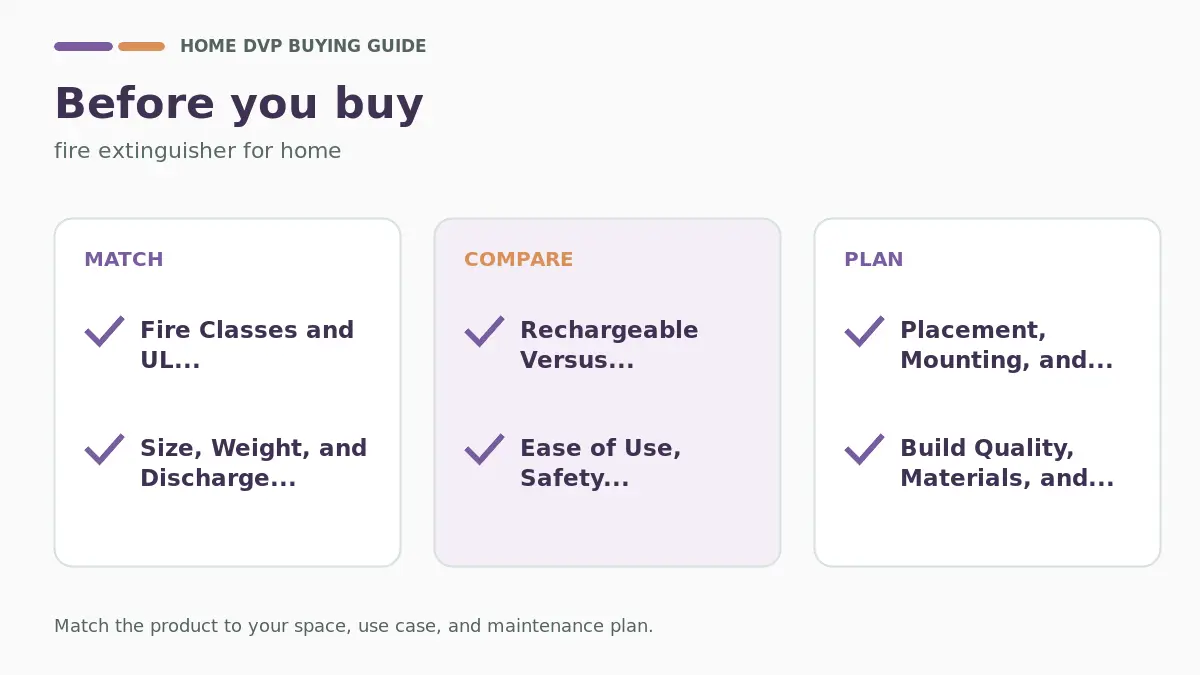
Final Thoughts
Selecting the right fire extinguisher for home comes down to matching rating, size, and design to your highest-risk rooms and the people who live there. After comparing the listed specifications across 15 models, several standouts emerge for different needs. For overall residential coverage, the First Alert Fire Extinguisher for Home, Standard Rechargeable Compliance Unit, UL RATED 1-A:10-B:C, HOME1 offers multipurpose protection, all-metal construction, a clear gauge, and recharge capability that suits most homes.
As a strong value pick, the Kidde Basic 110 Fire Extinguisher for Home, 1-A:10-B:C, FA110G 1 Pack delivers reliable Class A, B, and C performance in a compact, lightweight aluminum body with an easy-to-read pressure indicator and long service-free design. For heavier-duty or larger-space needs, the First Alert Fire Extinguisher for Home & Commercial Use, Heavy Duty Rechargeable Compliance Unit, UL RATED 2-A:10-B:C, HOME2PRO provides increased capacity and commercial-grade components. Kitchen-focused households should consider the Kidde Kitchen + Home Fire Extinguisher Set that pairs a standard multi-purpose unit with a grease-specific design featuring a flared nozzle.
Compact or vehicle-adjacent options such as the Kidde Basic 5 or the Ougist ABC models with quick-release handles add flexibility for garages and multi-location strategies. Multi-packs of the Kidde Basic 110 series efficiently equip several rooms at once. Place units thoughtfully, inspect gauges regularly, and pair them with other safety measures from our emergency supplies collection. With the right choice installed and maintained, you gain practical peace of mind for the home.
FAQ
What should I look for when choosing fire extinguisher for home?
Focus first on a clear UL rating that covers Class A, B, and C fires for general home use, typically 1-A:10-B:C or higher. Check weight so family members can handle it, confirm an easy-to-read pressure gauge, and verify mounting hardware is included. Rechargeable versus single-use depends on your budget and how many units you need. Prioritize all-metal valves and corrosion-resistant construction for longevity.
Are higher-end fire extinguisher for home worth it?
Higher-end models often justify the cost through rechargeability, larger capacity, commercial-grade metal components, and longer warranties. For a single kitchen unit a solid mid-range option usually suffices. For whole-home coverage or workshops, investing in rechargeable heavy-duty designs can save money over repeated replacements. Evaluate against your specific risk areas rather than price alone.
How should beginners choose fire extinguisher for home?
Beginners should start with a compact multi-purpose ABC unit that includes a wall bracket and simple pull-pin activation. Choose a well-known brand with clear labeling and a green pressure gauge. Practice the PASS technique once installed. One unit for the kitchen and one for another high-risk zone provides a strong foundation without overwhelm. Review the product data for lightweight aluminum options that are easy to lift.
How long should quality fire extinguisher for home last?
Many residential models are designed for 6 to 12 years of service-free life if unused and properly stored. Check the gauge regularly and replace after any discharge or once the manufacturer date is reached. Rechargeable units can last longer with professional servicing. Proper mounting away from extreme temperatures helps maximize lifespan. Always follow the specific guidance printed on the unit.
What brands make reliable fire extinguisher for home?
Established names with long histories in home safety consistently appear in reliable recommendations. Look for manufacturers that provide clear UL ratings, solid warranties, and detailed instructions. Brands such as those in FirstAlert, Amerex, ColumbiaSafety, Ougist, AmzBoom frequently offer models that meet common residential needs. Cross-reference current feature lists and user feedback patterns before deciding.
How much should homeowners expect to spend on fire extinguisher for home in 2026?
Expect to find capable residential options across a practical $17.45–$195 depending on size, pack quantity, and whether the unit is rechargeable. Single compact units sit at the lower end while multi-packs and heavy-duty models cost more. Factor in the value of included brackets and long service life rather than focusing only on the lowest price. Multi-packs often improve overall value for whole-home coverage.
Are fire extinguisher for home suitable for DIY projects, home repairs, or regular maintenance?
Yes. Most residential units install easily with included wall brackets and require only periodic visual checks of the gauge and pin. They support everyday home safety during renovations, kitchen upgrades, or routine maintenance. Pair them with other practical tools from categories such as heating, cooling and air for broader protection. Always keep units accessible and inspect them after any home project that involves dust or temperature changes.