Smart home technology continues to evolve rapidly, making Smart Thermostat Installation an important consideration for homeowners and renters seeking better energy efficiency and convenience. As HVAC systems become more integrated with mobile apps and voice assistants, understanding the installation process helps avoid common pitfalls that could lead to compatibility issues or unnecessary professional service calls.
After carefully reviewing specifications from 15 models in a wide price range from Sensi, HoneywellHome, Amazon, meross, this guide offers practical advice tailored to DIYers and practical home buyers. We focused on factors like wiring requirements, included accessories, and real-world setup considerations to ensure recommendations fit typical home applications. For broader context on maintaining comfortable indoor environments, see our Heating, Cooling & Air resources.
Our analysis draws from detailed product specifications, compatibility data, and user-facing installation guidance. Whether dealing with older homes lacking modern wiring or newer systems ready for seamless integration, the right choice can simplify smart thermostat installation while delivering long-term savings and comfort.

Pros
- Supports energy efficiency via scheduling and reports as an ENERGY STAR certified device.
- Allows installation in many homes without a C-wire using battery power as backup.
Cons
- May still need a C-wire in some HVAC configurations for reliable operation.
- Does not include a color touchscreen display.
Specifications
| Controller Type | Amazon Alexa, Apple HomeKit, Google Assistant, SmartThings, Vera |
|---|---|
| Additional Features | Data Privacy, Easy DIY Install, Energy Savings, Filter Indicator, Programmable |
| Specific Uses For Product | Air Conditioner, Boiler, Furnace, Heat Pump |
| Temperature Control Type | Programmable, Smart/Remote |
| Connectivity Technology | Wi-Fi |
| Power Source | Corded Electric |
| Voltage | 24 Volts (AC) |
| Display Type | LED |
| Screen Size | 5 Inches |
| Control Type | Button Control |
Verify the current product variation before purchase; specifications may change.
Best For / Avoid If
Best for buyers prioritizing
- Supports energy efficiency via scheduling and reports as an ENERGY STAR certified device.
- Allows installation in many homes without a C-wire using battery power as backup.
- Includes privacy protections for connected thermostat data.
Consider another option if
- May still need a C-wire in some HVAC configurations for reliable operation.
- Does not include a color touchscreen display.
- Battery operation requires occasional replacements depending on system demands.
Pros
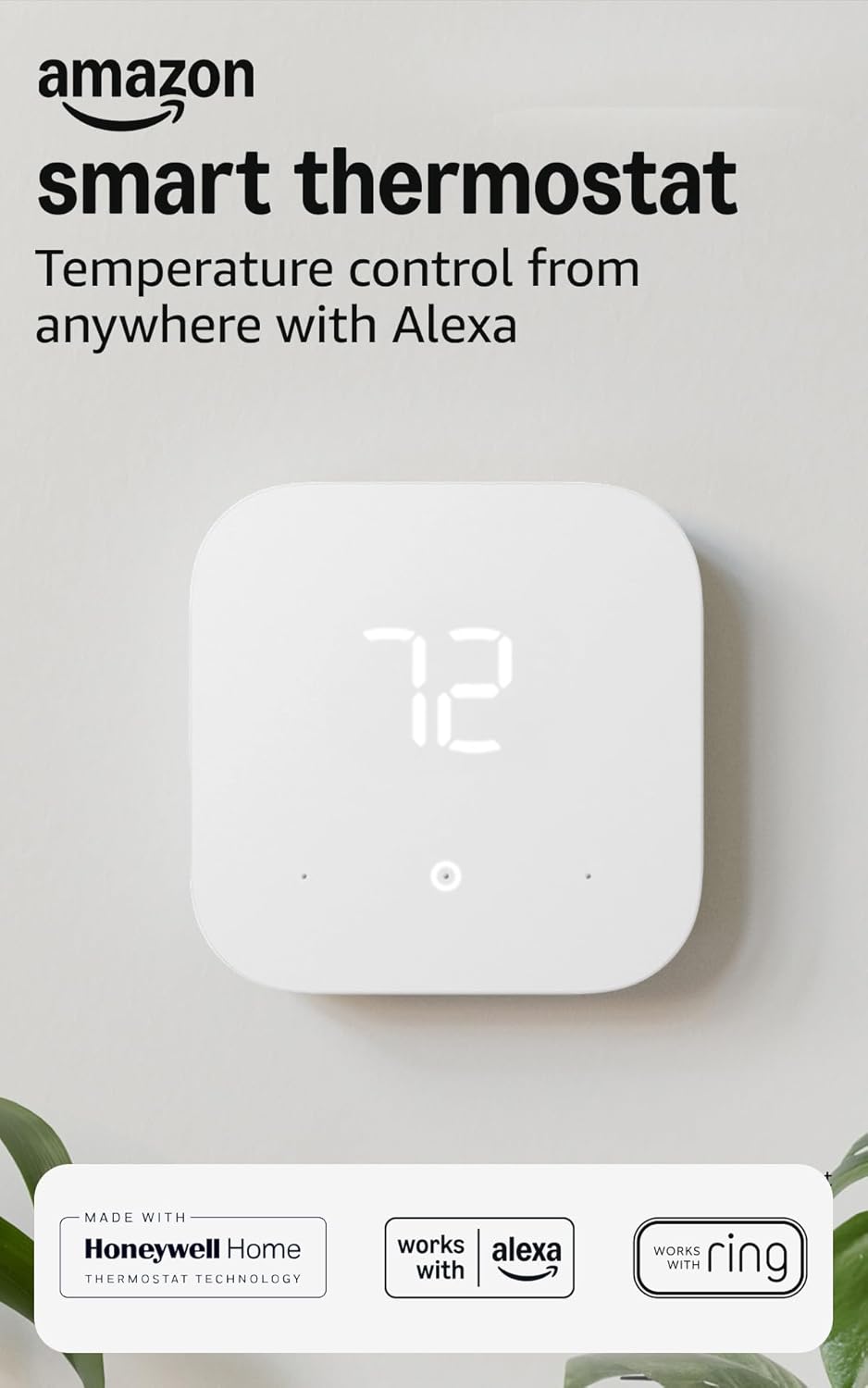
- Alexa connectivity allows hands-free control and multi-device routines
- App-guided setup simplifies installation for many DIY homeowners
Cons
- Requires a C-wire which may necessitate additional wiring work in older homes
- Full comfort zone functionality depends on owning compatible Alexa devices
Specifications
| Size | 3.56 x 3.56 x 0.84 in (90.4 x 90.4 x 21.4 mm) |
|---|---|
| Weight | 3.86 oz (109.5 g) Actual size and weight may vary by manufacturing process. |
| Model number | S6ED3R |
| Certifications | ENERGY STAR – For EPA's ENERGY STAR requirements, see energystar.gov. ECOLOGO Gold – Select replacement parts are available for 3 years after the end of production of your Amazon Smart Thermostat. Learn more here. |
| In the box | Amazon Smart Thermostat, installation tool, wall plate, cosmetic plate, and quick start guide. |
| Network connectivity | 2.4 GHz only, 802.11 b/g/n. Does not support 5GHz networks or connecting to ad-hoc (or peer-to-peer) Wi-Fi networks. |
| Audio | No far-field microphone; Alexa-enabled device required for voice control. |
| On-device control | 3 touch buttons on device (Temperature Up, Temperature Down, Select/Mode). |
| On-the-go-control | Alexa app, voice control, on-device, and Echo device compatible. |
| Installation method | Guided installation in the Alexa app. (You may need a power drill, 3/16” drill bit, and a level.) |
Verify the current product variation before purchase; specifications may change.
Best For / Avoid If
Best for buyers prioritizing
- Alexa connectivity allows hands-free control and multi-device routines
- App-guided setup simplifies installation for many DIY homeowners
- Programmable options and presence features support tailored comfort and efficiency
Consider another option if
- Requires a C-wire which may necessitate additional wiring work in older homes
- Full comfort zone functionality depends on owning compatible Alexa devices
- Advanced voice features tie users to the Alexa ecosystem

Pros
- Covers compatibility with up to 85 percent of 24VAC HVAC systems via the online checker tool.
- Delivers free software upgrades to sustain long-term performance and features.
Cons
- Power Extender Kit must be purchased separately for installations without a C-wire.
- Trim kit for improved wall appearance is also sold separately.
Specifications
| Controller Type | Amazon Alexa, Android, Apple HomeKit, Google Assistant, iOS |
|---|---|
| Additional Features | Auto-Away Mode, Auto-Scheduling, Fan Control, Programmable, Temperature Display |
| Specific Uses For Product | Air Conditioner, Electric Baseboard Heater, Furnace |
| Temperature Control Type | Cooling |
| Connectivity Technology | Wi-Fi |
| Power Source | Battery Powered |
| Display Type | LCD |
| Screen Size | 3.74 Inches |
| Control Type | Touchpad Control |
| Control Method | Touch |
Verify the current product variation before purchase; specifications may change.
Best For / Avoid If
Best for buyers prioritizing
- Covers compatibility with up to 85 percent of 24VAC HVAC systems via the online checker tool.
- Delivers free software upgrades to sustain long-term performance and features.
- Offers 3-year backing along with expert support available seven days a week by phone email or chat.
Consider another option if
- Power Extender Kit must be purchased separately for installations without a C-wire.
- Trim kit for improved wall appearance is also sold separately.
- Requires pre-purchase compatibility verification since support does not extend to line voltage millivolt or 0-10VDC systems.

Pros
- Offers choice between fixed 7-day programming and automatic geofencing for flexible temperature management
- Provides ENERGY STAR certified efficiency tools including usage reports and alerts
Cons
- Requires verification of low-voltage system compatibility and C-wire presence before installation
- Will not operate with heating-only oil furnace systems unless a C-wire is available
Specifications
| Controller Type | Amazon Alexa, Android, Apple HomeKit, Google Assistant, iOS |
|---|---|
| Additional Features | Auto Changeover, Auto-Away Mode, Daylight Savings Time Ready, ENERGY STAR certified, Fan Control, Geofence Technology, Low Voltage, Programmable, Temperature Display, Vacation Mode |
| Specific Uses For Product | Air Conditioner, Furnace, Heat Pump |
| Temperature Control Type | Heating and Cooling |
| Connectivity Technology | Wi-Fi |
| Power Source | Corded Electric |
| Voltage | 24 Volts |
| Display Type | LCD |
| Screen Size | 4.95 Inches |
| Control Type | Touchpad Control |
Verify the current product variation before purchase; specifications may change.
Best For / Avoid If
Best for buyers prioritizing
- Offers choice between fixed 7-day programming and automatic geofencing for flexible temperature management
- Provides ENERGY STAR certified efficiency tools including usage reports and alerts
- Integrates with multiple voice assistants and supports remote access for everyday control
Consider another option if
- Requires verification of low-voltage system compatibility and C-wire presence before installation
- Will not operate with heating-only oil furnace systems unless a C-wire is available
- Initial setup may require extra steps for users confirming wire labels and voltage type
Pros
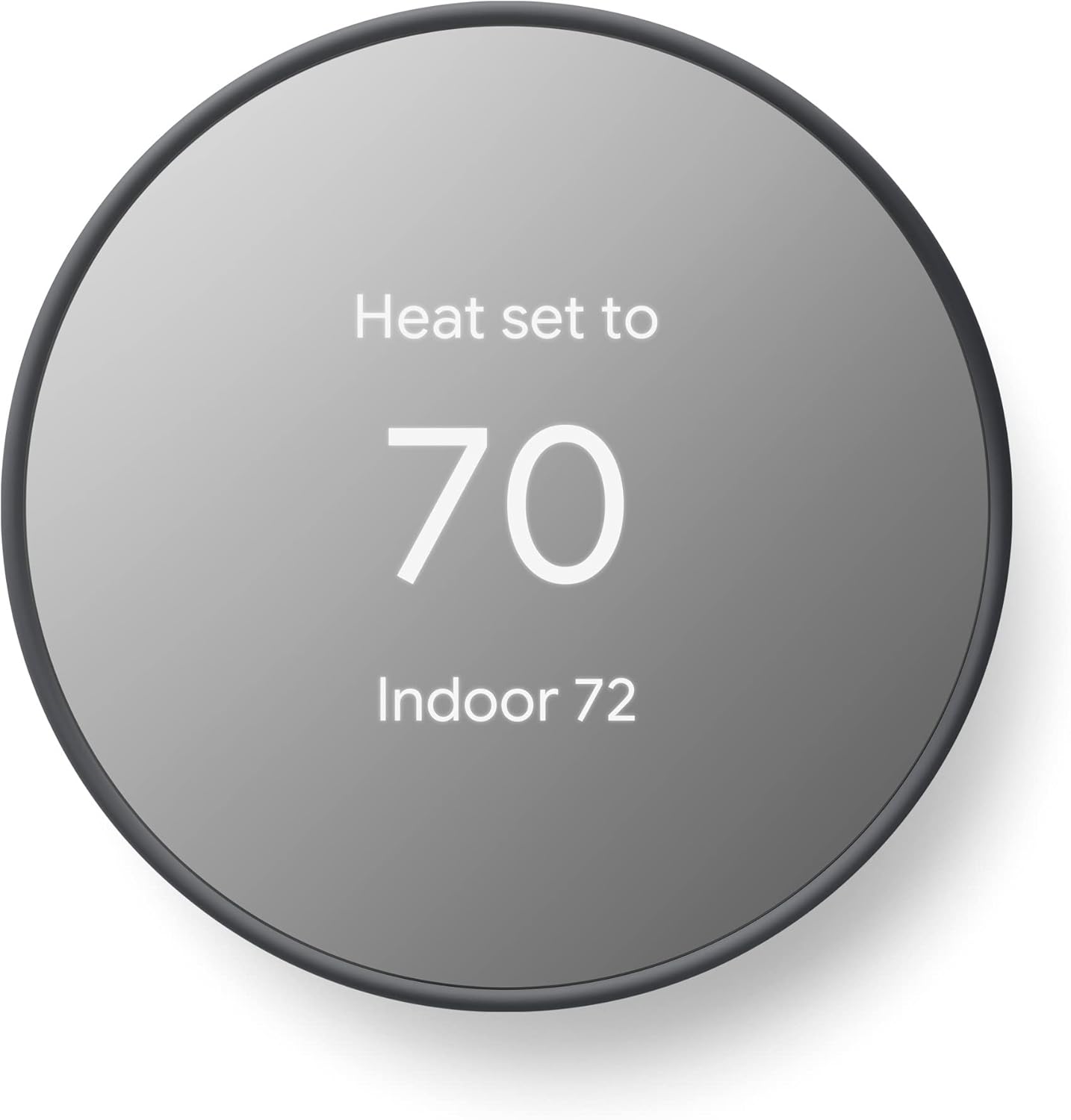
- ENERGY STAR certified design that promotes energy savings while maintaining comfort
- Operates without a C wire in the majority of homes according to listed compatibility details
Cons
- Some systems including heat pumps and zone controlled setups may require a C wire or power accessory
- Remote control and notifications depend on stable internet and Wi Fi connections
Specifications
| Controller Type | Amazon Alexa, Android, Google Assistant, iOS, nest |
|---|---|
| Additional Features | Programmable |
| Specific Uses For Product | Heat Pump |
| Temperature Control Type | Heating, Cooling |
| Connectivity Technology | Bluetooth, Wi-Fi |
| Power Source | Battery Powered |
| Voltage | 24 Volts |
| Display Type | LCD |
| Screen Size | 2 Inches |
| Control Type | Remote Control, Voice Control |
Verify the current product variation before purchase; specifications may change.
Best For / Avoid If
Best for buyers prioritizing
- ENERGY STAR certified design that promotes energy savings while maintaining comfort
- Operates without a C wire in the majority of homes according to listed compatibility details
- Integrates with Google Assistant and Matter certified voice assistants for hands free commands
Consider another option if
- Some systems including heat pumps and zone controlled setups may require a C wire or power accessory
- Remote control and notifications depend on stable internet and Wi Fi connections
- Lacks a lock feature for restricting manual changes

Pros
- Automatic energy optimization based on real-time occupancy detection
- Broad smart home platform support for flexible control options
Cons
- Requires a compatibility check before purchase to confirm fit with existing HVAC equipment
- Full multi-room sensing may need separate SmartSensors for best results
Specifications
| Controller Type | Amazon Alexa, Android, Apple HomeKit, Google Assistant, iOS |
|---|---|
| Additional Features | Wired Smart Thermostat |
| Specific Uses For Product | Furnace |
| Temperature Control Type | Heating |
| Connectivity Technology | Wi-Fi |
| Power Source | Corded Electric |
| Voltage | 24 Volts |
| Display Type | LCD |
| Screen Size | 4 Inches |
| Control Type | App Control |
Verify the current product variation before purchase; specifications may change.
Best For / Avoid If
Best for buyers prioritizing
- Automatic energy optimization based on real-time occupancy detection
- Broad smart home platform support for flexible control options
- Hardwired reliability removes concerns over power interruptions
Consider another option if
- Requires a compatibility check before purchase to confirm fit with existing HVAC equipment
- Full multi-room sensing may need separate SmartSensors for best results
- Not compatible with line voltage, millivolt, or 0-10VDC systems

Pros
- ENERGY STAR certified design promotes household energy savings
- Operates without a C wire in most homes for simpler setup
Cons
- Some heating only cooling only zone or heat pump systems require a C wire or accessory
- Compatibility verification is recommended before purchase
Specifications
| Brand | |
|---|---|
| Model Name | Google Nest Thermostat |
| Product Dimensions | 1.07"D x 3.31"W x 3.31"H |
| Controller Type | Amazon Alexa, Android, Google Assistant, iOS, nest |
| Special Feature | Programmable |
Verify the current product variation before purchase; specifications may change.
Best For / Avoid If
Best for buyers prioritizing
- ENERGY STAR certified design promotes household energy savings
- Operates without a C wire in most homes for simpler setup
- Offers app based remote access and voice control options
Consider another option if
- Some heating only cooling only zone or heat pump systems require a C wire or accessory
- Compatibility verification is recommended before purchase
- Does not include a lock feature to restrict changes
Pros
- Straightforward setup suitable for many existing residential systems
- Mobile app allows convenient adjustments from any location
Cons
- Common wire requirement applies to heat pump and heat-only or cool-only systems
- Limited to 2.4 GHz WiFi networks for connectivity
Specifications
| Controller Type | Amazon Alexa, Google Assistant, Hand Control, SmartThings |
|---|---|
| Additional Features | Data Privacy, Easy DIY Install, Energy Savings, Programmable |
| Specific Uses For Product | Air Conditioner, Boiler, Furnace, Heat Pump |
| Temperature Control Type | Automatic or Programmable |
| Connectivity Technology | Wi-Fi |
| Power Source | Battery or C-wire |
| Voltage | 24 Volts |
| Display Type | LCD |
| Control Type | App Control |
| Control Method | App, Touch, Voice |
Verify the current product variation before purchase; specifications may change.
Best For / Avoid If
Best for buyers prioritizing
- Straightforward setup suitable for many existing residential systems
- Mobile app allows convenient adjustments from any location
- Energy-saving tools combined with privacy protections
Consider another option if
- Common wire requirement applies to heat pump and heat-only or cool-only systems
- Limited to 2.4 GHz WiFi networks for connectivity
- New users may need additional time to configure initial schedules

Pros
- Built-in air quality monitoring supports healthier indoor conditions with practical guidance
- SmartSensor improves comfort consistency without manual adjustments in key rooms
Cons
- High-voltage and certain specialized systems remain incompatible
- Advanced security alerts require an optional subscription plan
Specifications
| Controller Type | Amazon Alexa, Android, Apple HomeKit, Google Assistant, iOS |
|---|---|
| Additional Features | Amazon Alexa, Siri, Wired Smart Thermostat |
| Specific Uses For Product | Furnace |
| Temperature Control Type | Heating, Cooling |
| Connectivity Technology | Bluetooth |
| Power Source | Battery Powered |
| Voltage | 24 Volts |
| Display Type | LCD |
| Control Type | Button Control |
| Control Method | App |
Verify the current product variation before purchase; specifications may change.
Best For / Avoid If
Best for buyers prioritizing
- Built-in air quality monitoring supports healthier indoor conditions with practical guidance
- SmartSensor improves comfort consistency without manual adjustments in key rooms
- Wide HVAC compatibility and included installation accessories simplify setup for many homes
Consider another option if
- High-voltage and certain specialized systems remain incompatible
- Advanced security alerts require an optional subscription plan
- Full Siri features depend on a separate Apple home hub device

Pros
- Supports up to 2 heat and 2 cool stages for conventional systems or 2 heat and 1 cool for heat pumps.
- WiFi connectivity on 2.4 or 5 GHz networks provides app-based control and demand response capability.
Cons
- Requires a C-wire for power, which may require an adapter in homes without one.
- Limited compatibility with single-stage systems or those outside the specified heat and cool stages.
Specifications
| Controller Type | Push Button, Amazon Alexa, Google Assistant, Apple HomeKit |
|---|---|
| Additional Features | Date Display, Fan Control, Temperature Display |
| Specific Uses For Product | specific_uses_for_product |
| Temperature Control Type | Programmable, Smart/Remote |
| Power Source | Corded Electric |
| Display Type | LCD |
| Screen Size | 6.57 Inches |
| Control Type | App Control |
| Control Method | App, Push Button, Voice |
| Connectivity Protocol | Wi-Fi |
Verify the current product variation before purchase; specifications may change.
Best For / Avoid If
Best for buyers prioritizing
- Supports up to 2 heat and 2 cool stages for conventional systems or 2 heat and 1 cool for heat pumps.
- WiFi connectivity on 2.4 or 5 GHz networks provides app-based control and demand response capability.
- ENERGY STAR certification and energy program participation options promote lower energy use.
Consider another option if
- Requires a C-wire for power, which may require an adapter in homes without one.
- Limited compatibility with single-stage systems or those outside the specified heat and cool stages.
Pros
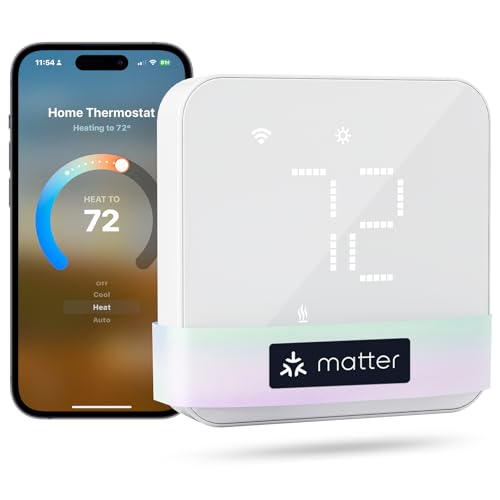
- Broad compatibility with popular smart home ecosystems for flexible control options
- Scheduling and usage insights help optimize energy consumption over time
Cons
- C wire required for some configurations and not included in the package
- Supports only 2.4GHz Wi Fi networks
Best For / Avoid If
Best for buyers prioritizing
- Broad compatibility with popular smart home ecosystems for flexible control options
- Scheduling and usage insights help optimize energy consumption over time
- Modern design offers a clean look suitable for visible wall placement
Consider another option if
- C wire required for some configurations and not included in the package
- Supports only 2.4GHz Wi Fi networks
- Incompatible with electric baseboard heaters or millivolt systems
Pros
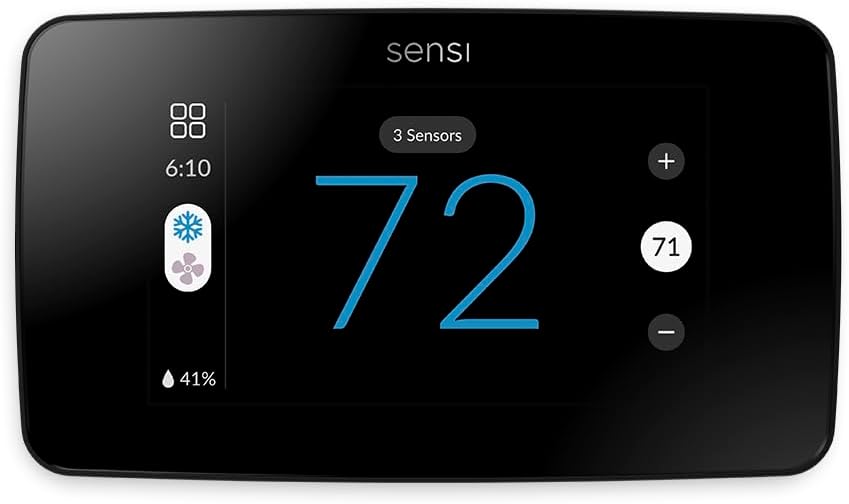
- Works with Sensi room sensors to balance temperatures across multiple rooms
- ENERGY STAR certification supports reduced energy consumption through scheduling tools
Cons
- Requires a common wire for installation which may not exist in every home
- Room sensors must be purchased separately to enable multi-room balancing
Best For / Avoid If
Best for buyers prioritizing
- Works with Sensi room sensors to balance temperatures across multiple rooms
- ENERGY STAR certification supports reduced energy consumption through scheduling tools
- Top-rated app provides step-by-step instructions for straightforward DIY setup
Consider another option if
- Requires a common wire for installation which may not exist in every home
- Room sensors must be purchased separately to enable multi-room balancing
- Advanced features depend on compatible HVAC equipment found in most but not all residences

Pros
- ENERGY STAR certification aligns with measurable efficiency gains for homeowners
- Intuitive color display improves everyday readability and menu navigation
Cons
- Requires C-wire for power which may need professional addition in some older homes
- Depends on reliable 2.4 GHz WiFi for complete smart functionality
Best For / Avoid If
Best for buyers prioritizing
- ENERGY STAR certification aligns with measurable efficiency gains for homeowners
- Intuitive color display improves everyday readability and menu navigation
- Mobile app delivers consistent remote management and usage insights
Consider another option if
- Requires C-wire for power which may need professional addition in some older homes
- Depends on reliable 2.4 GHz WiFi for complete smart functionality
- Initial setup of schedules and alerts may require time for new users

Pros
- User-friendly installation process designed for DIY success
- Features that contribute to lower energy consumption
Cons
- Some systems such as heat pumps still require a common wire for operation
- Full functionality relies on a stable 2.4 GHz WiFi network connection
Best For / Avoid If
Best for buyers prioritizing
- User-friendly installation process designed for DIY success
- Features that contribute to lower energy consumption
- Strong emphasis on protecting personal information
Consider another option if
- Some systems such as heat pumps still require a common wire for operation
- Full functionality relies on a stable 2.4 GHz WiFi network connection
- May not include every advanced feature desired by heavy smart home enthusiasts
Smart Thermostat Installation Buying Guide
HVAC System Compatibility
Before beginning any smart thermostat installation project, verifying compatibility with your existing heating and cooling equipment prevents frustration during setup. Most models work with conventional gas, electric, or heat pump systems, but nuances exist for multi-stage setups or boilers. Products like the ecobee Smart Thermostat Enhanced support up to 90% of systems and include a Power Extender Kit to simplify connections.
Always consult the manufacturer’s compatibility checker tool available on their website. For instance, the Google Nest Thermostat works without a C-wire in many homes but may require additional accessories for heating-only or zone-controlled systems. Taking this step early avoids returns and ensures the device can deliver its full range of features after installation.
Common mistakes include assuming all smart thermostats fit every HVAC configuration. Based on available product information, models from Sensi and Honeywell Home often list explicit requirements for conventional or heat pump applications up to specific stages.
C-Wire Requirements and Solutions
The C-wire, or common wire, provides continuous power to smart thermostats. Many older homes lack this wire, creating a key decision point during smart thermostat installation. Fortunately, several options address this: some thermostats operate without it in most applications, while others include Power Extender Kits that use existing wires to create the necessary connection.
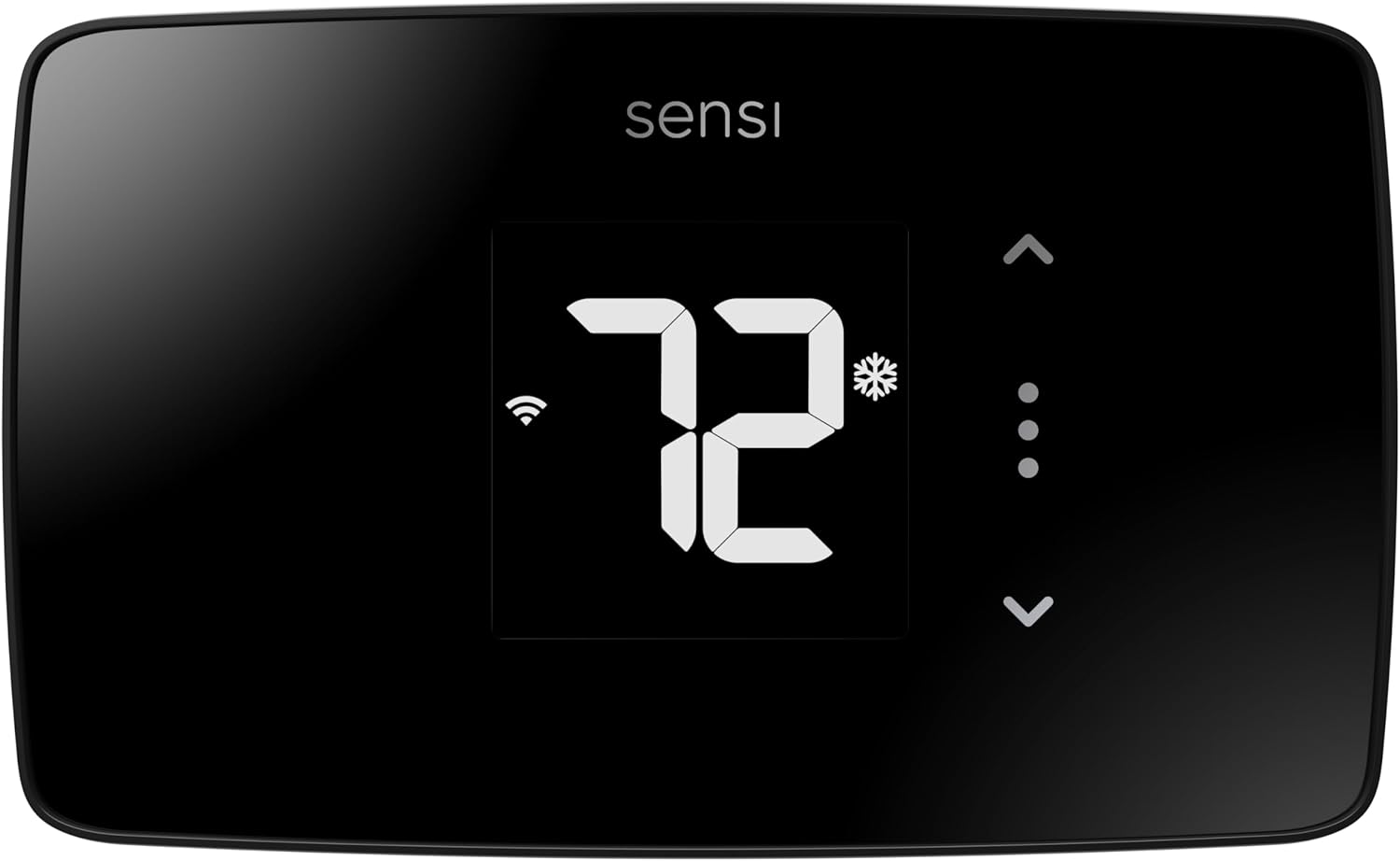
The Sensi Smart Thermostat notes that a C-wire is not required in most applications, making it suitable for straightforward DIY projects. Similarly, the Sensi Lite model works without a C-wire on most systems, though heat pump setups may still need one. Ecobee models typically include the PEK in the box for homes without a C or common wire, supporting an easy DIY install.
| Model Type | C-Wire Needed | Solution Included |
|---|---|---|
| Sensi ST55 | Not in most cases | App-guided setup |
| ecobee Enhanced | Optional | Power Extender Kit |
| Google Nest | Optional in most homes | Adapter options |
| Honeywell T5 | Required | Check before purchase |
Preparing for potential C-wire needs by checking your current thermostat wiring can save time. If absent, consider models that explicitly provide solutions rather than discovering the issue mid-installation.
DIY Installation Process and Tools
Most smart thermostats emphasize user-friendly installation with step-by-step app instructions, built-in levels, and clear terminal labels. Basic tools typically needed include a screwdriver, drill for mounting, voltage tester for safety, and possibly wire strippers. The Sensi Touch Smart Thermostat includes a built-in level and illuminated terminals to make the physical mounting straightforward.
Begin by turning off power at the breaker, labeling existing wires, removing the old thermostat, and mounting the new base. Models like the Honeywell Home options provide clear guidance for connecting to most forced air systems. The process generally takes 30-60 minutes for those comfortable with basic wiring.
Avoid rushing the wiring step, as incorrect connections can prevent the system from functioning. Refer to product-specific diagrams and use the companion apps that often include video or illustrated guides. For additional climate control insights, our window air conditioner comparison covers related efficiency topics.
App Control and Smart Home Integration
After physical smart thermostat installation, the setup shifts to connecting with WiFi and downloading the manufacturer’s app. This enables remote control, scheduling, and integration with Alexa, Google Assistant, or Siri. The ecobee Smart Thermostat Premium stands out with built-in voice assistant options and compatibility with SmartSensors for room-specific temperature adjustments.
Geofencing features in models like the Honeywell T5 or Sensi use your smartphone location to automatically adjust temperatures when away, contributing to energy savings. Ensure your home WiFi is stable, preferably on 2.4GHz for broadest compatibility during initial connection.
Integration with existing smart home ecosystems should influence your choice. Nest thermostats connect seamlessly with Google Home, while others offer broader Matter certification for future-proofing across platforms.
Energy Savings and Smart Features
ENERGY STAR certification appears across these models, with claims of 23-26% savings on heating and cooling costs through features like occupancy detection, adaptive scheduling, and usage reports. The ecobee line uses radar occupancy sensing to preheat or precool before arrival, while Nest focuses on learning your habits and offering Savings Finder suggestions.
Additional capabilities like humidity monitoring, air quality alerts in the ecobee Premium, and maintenance reminders for filter changes add practical value. These features justify the investment when aligned with your household routines and local utility rebate programs.
Common Installation Challenges and Solutions
Wall holes from previous thermostats, thick paint, or non-standard wiring represent frequent hurdles. Many kits include trim plates or adapters to create a clean finish. For homes with only two wires, adapters or professional assistance may be necessary despite DIY-friendly designs.
WiFi connectivity issues during setup can often be resolved by temporarily moving closer to the router. Manufacturer specifications indicate that following the in-app troubleshooting typically resolves most problems without external help.
Professional vs DIY Installation
While these devices target DIY installation, some situations warrant professional help: complex multi-zone systems, uncertainty about wiring, or lack of basic tools. Most manufacturers provide detailed support resources that enable confident homeowners to complete the project successfully.
Choosing models with comprehensive kits and clear instructions, such as those from Sensi or ecobee, increases the likelihood of successful self-installation. This approach not only saves on service calls but gives you direct understanding of your home’s HVAC controls.
How We Compared These Picks
We compared the picks in this guide on four points: HVAC system compatibility; c-wire requirements and solutions; DIY installation process and tools; and energy savings and smart features. We used manufacturer specifications and the details listed for each product. Each of these points is explained in the buying guide above, so you can match a choice to your home. Our review methodology explains how Home DVP researches products. More guides are on our Air Quality & Climate guide page.
Final Thoughts
For most homeowners tackling smart thermostat installation, the ecobee Smart Thermostat Enhanced represents an excellent balance of features and installation ease with its included Power Extender Kit and occupancy sensing. It suits those wanting room-specific comfort without excessive complexity.
The Sensi Smart Thermostat stands out as a strong value pick for its straightforward setup in homes without C-wires and reliable app control. Homeowners prioritizing data privacy and simple operation will appreciate its design. For premium features including air quality monitoring and built-in speakers, consider the ecobee Smart Thermostat Premium.
The Google Nest Thermostat offers an attractive, learning-focused option with good energy-saving tools, while Honeywell Home models provide dependable performance at accessible price points for those with C-wire ready systems. Choose based on your specific wiring situation, desired smart integrations, and whether you prefer sensors or voice control capabilities. Check our window air conditioner BTU chart for complementary cooling insights.
What should I look for when choosing smart thermostat installation?
Focus on HVAC compatibility, C-wire requirements, and whether the model includes necessary adapters or kits. Consider app usability, voice assistant support, and energy reporting features that match your lifestyle. Checking the manufacturer’s compatibility tool before purchase prevents installation complications.
Are higher-end smart thermostat installation worth it?
Higher-end options like the ecobee Premium can be worthwhile for larger homes or those wanting air quality monitoring and additional sensors. They often include better occupancy detection and more robust smart features. For simpler needs, mid-range models from Sensi or Honeywell Home deliver strong performance at lower costs.
How should beginners approach smart thermostat installation?
Beginners should select models with comprehensive app instructions and included installation hardware like the Power Extender Kit. Start by verifying system compatibility online, gathering basic tools, and following the step-by-step wiring guidance. Many users successfully complete their first project by watching official setup videos.
What brands make reliable options for smart thermostat installation?
Established names including Sensi by Emerson, ecobee, Honeywell Home, and Google Nest consistently provide reliable performance based on their HVAC expertise and customer feedback. Each offers specific strengths in installation simplicity or smart features. Research current firmware support for long-term reliability.
How long should quality smart thermostat installation last?
Well-made smart thermostats typically provide 5-10 years of service with proper installation and occasional firmware updates. Factors like build quality, power stability, and environmental conditions in your home influence longevity. Regular filter maintenance reminders from the devices help protect your overall HVAC system.
Is professional installation necessary for smart thermostat installation?
Most models target DIY installation with clear guides, making professional help unnecessary for standard setups. However, complex wiring, older homes with unusual configurations, or personal comfort with electrical work may justify hiring an HVAC technician. Many utilities offer rebates that can offset service costs.
How does smart thermostat installation impact energy bills in 2026?
Smart features like geofencing, adaptive learning, and usage reports typically help reduce heating and cooling costs by 10-25% depending on usage patterns and local climate. Models with ENERGY STAR certification and occupancy sensing maximize these benefits. Pairing with proper home insulation enhances overall efficiency. See our related efficiency reviews for more ideas.