
A burst supply line, failed washing machine hose, pinhole pipe leak, or slow under-sink drip can cause expensive damage long before anyone notices standing water. That is why Water Leak Detector With Automatic Shut Off matters for homeowners, renters with appliance hookups, vacation property owners, and DIYers who want an extra layer of plumbing protection. The right system can sense water or abnormal flow, alert you quickly, and shut off a valve before a small leak turns into a ceiling, flooring, or cabinet repair.
For this 2026 guide, we analyzed 15 products and validated them against the Plumbing Equipment category, focusing on models that clearly match the purpose of leak detection plus automatic shutoff. After carefully analyzing the available specifications, we compared valve style, sensor type, pipe compatibility, app control, offline operation, installation requirements, alerts, and practical homeowner use cases. If you are also comparing simpler sensor-only options, our related water leak detector guide can help you decide whether you need full shutoff protection or basic monitoring.
Home DVP decision summary
Quick Answer
For Water Leak Detector With Automatic Shut Off, Home DVP compared 15 products from 11 brands. Choose between point moisture sensors, whole-home flow monitoring, or a combined system before comparing apps. Pipe size, valve type, installation access, shutoff behavior, backup power, alert delivery, calibration, and periodic testing determine whether protection remains reliable.
| Comparison coverage | 15 products from 11 brands, including YoLink, FRIZZLIFE, Zuomeng. |
|---|---|
| Selection priority | Choose between point moisture sensors, whole-home flow monitoring, or a combined system before comparing apps. Pipe size, valve type, installation access, shutoff behavior, backup power, alert delivery, calibration, and periodic testing determine whether protection remains reliable. |
| Evidence basis | Manufacturer specifications, compatibility details, retailer-provided product data, and common homeowner use cases. |
| Reference guidance | EPA WaterSense leak-detection and flow-monitoring guidance. |
This summary describes the article's comparison set, not every product on the market. Product details should be confirmed before purchase.
Based on the product data provided, the strongest choices are whole-home systems and appliance-specific kits that combine detection with a motorized or controlled shutoff valve. We ignored products that did not clearly include automatic shutoff functionality, because this guide is specifically about protection systems designed to stop water flow, not just sound an alarm.
Water Leak Detector With Automatic Shut Off Buying Guide
Choosing water leak detector with automatic shut off is different from buying a simple water alarm. These systems interact with your plumbing, your home network, and sometimes your insurance or property management routine. The best fit depends on whether you want whole-house monitoring at the main line, targeted protection for a washing machine, or a retrofit valve controller that does not require cutting into the pipe.
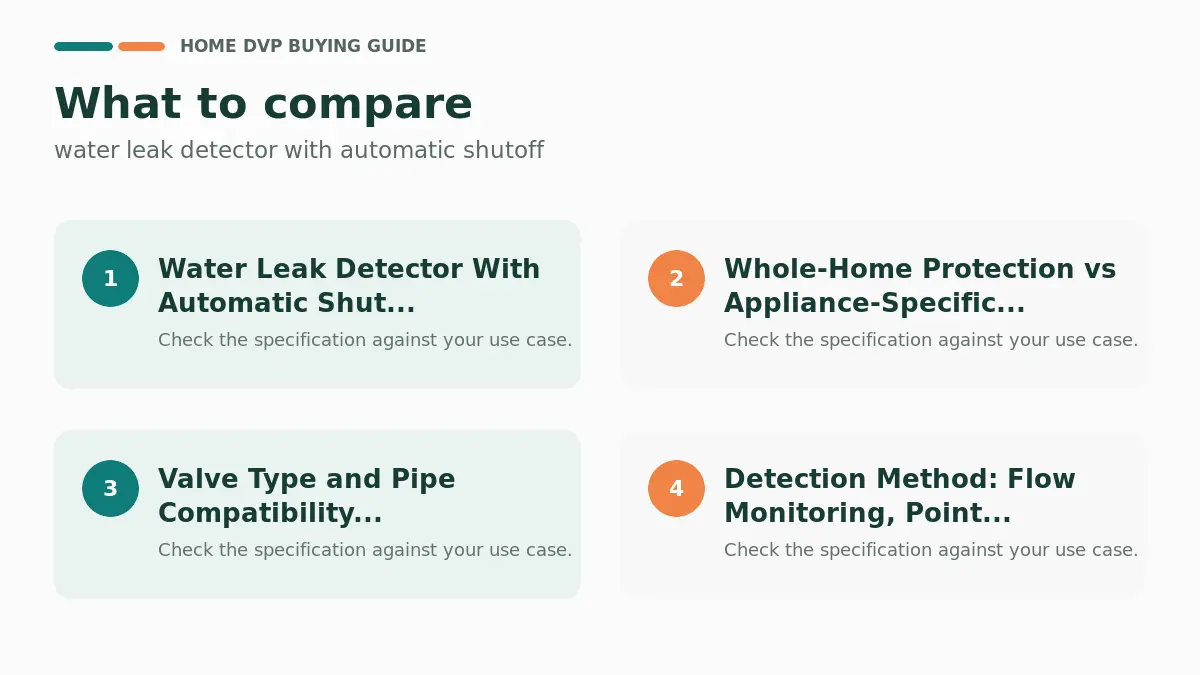
Whole-Home Protection vs Appliance-Specific Shutoff
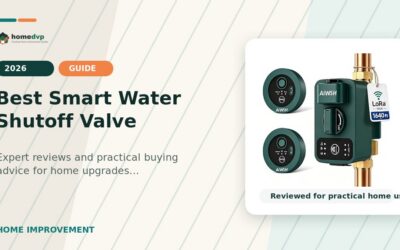
The first decision is whether you need whole-home shutoff or protection for a single risk area. Whole-home systems such as the Frizzlife LP365 Smart Water Monitor and Automatic Shutoff, Frizzlife LPG365 Smart Water Monitor and Automatic Shutoff Valve with 3 Leak Sensors, YoLink DIY Automatic Water Leak Detection & Shut-Off Starter Kit, and YoLink Smart Water Leak Protection System Kit are designed to stop water at or near the main supply. They are better suited for owners who want broad protection against hidden pipe leaks, running fixtures, appliance failures, and leaks that happen while no one is home.
Appliance-specific kits, including the Washing Machine Water Leak Detector Kit with Dual Power Supply and the FloodStop Washing Machine Leak Detector Kit with Automatic Water Shut-Off and Visual/Audible Alarms, focus on one common leak source. These can be a practical choice in laundry rooms, upstairs utility closets, condos, or rentals where the most likely flood risk is a washing machine hose failure. The tradeoff is that they generally do not protect the entire plumbing system.
A common mistake is buying a single-location kit and expecting it to behave like a main-line shutoff system. If your goal is to protect a finished basement, water heater area, kitchen, and laundry room together, start with a whole-home platform and add remote leak sensors where supported. For broader plumbing planning, the Plumbing Equipment category is a useful place to compare related repair and maintenance products.
Valve Type and Pipe Compatibility
Automatic shutoff systems use different valve approaches. Some install inline on the water supply, while others use a motorized operator that turns an existing ball valve. Inline systems can look cleaner and may provide more direct control, but they often require cutting pipe, adding fittings, and confirming the valve size. Retrofit valve operators can be appealing for DIYers because they may attach over an existing compatible valve, though they still require careful alignment and enough clearance around the handle.
The Frizzlife LP365 Smart Water Monitor and Automatic Shutoff lists compatibility with common residential pipe sizes and includes adapters according to the provided specifications. The Smart Water Auto Shut Off Valve & Leak Detector also lists compatibility with common main-line pipe sizes and is positioned as a whole-home protection system. For any shutoff product, confirm pipe diameter, thread type, available straight pipe length, access to power, and whether the valve location is indoors, outdoors, or in a crawl space.
If you are not comfortable opening the main line, soldering, crimping, threading, or adding adapters, consider professional installation. A poorly installed shutoff valve can create leaks, reduce flow, or make future maintenance harder. DIYers should also verify that their main shutoff valve still operates smoothly before installing a valve robot style product.
| Installation style | Good fit | Watch out for |
|---|---|---|
| Inline main-line monitor | Whole-home protection and water usage tracking | May require plumbing work and careful sizing |
| Retrofit valve operator | Homes with an accessible compatible ball valve | Needs clearance and proper handle alignment |
| Appliance valve kit | Laundry rooms and dedicated appliance protection | Does not protect the full home plumbing system |
Detection Method: Flow Monitoring, Point Sensors, or Both
Leak detection can happen in more than one way. Flow-monitoring systems analyze water movement through the supply line and look for unusual patterns, such as continuous low flow, sudden high flow, or usage that does not match normal household behavior. The Frizzlife LP365 Smart Water Monitor and Automatic Shutoff highlights ultrasonic micro leak detection and real-time flow monitoring, which makes it appealing for homeowners who want visibility into water use as well as automatic shutoff.
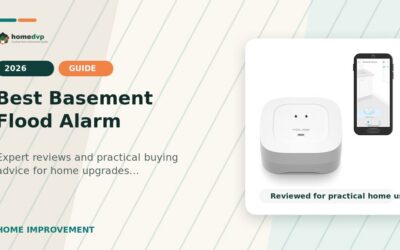
Point sensors detect water where the sensor sits. They are effective near washing machines, water heaters, sump areas, under sinks, behind toilets, and mechanical rooms. Kits such as the NSF Certified YoLink Leak Protection Kit, YoLink DIY Automatic Water Leak Detection & Shut-Off Starter Kit, and YoLink Smart Water Leak Protection System Kit include multiple leak sensors, giving homeowners a way to monitor several risk zones.
For many homes, the strongest setup combines both approaches. Flow monitoring can catch water moving through the main line, while point sensors can detect puddling in high-risk areas. If you already maintain a water heater closet or utility room, pairing a shutoff system with routine checks from our water heater guide can improve your overall home maintenance plan.
Alerts, App Control, and Connectivity
Smart leak shutoff systems are only helpful if they notify you quickly and reliably. Look for app alerts, audible alarms, text or call options where listed, and a clear way to manually close or reopen the valve. The Frizzlife LP365 Smart Water Monitor and Automatic Shutoff emphasizes app-based control, real-time notifications, and remote valve control, which is useful for vacation homes, busy households, and anyone who travels frequently.
Connectivity matters. Wi-Fi models can be convenient but depend on router placement, network stability, and power. LoRa-based systems, including several YoLink kits and the Smart Water Auto Shut Off Valve & Leak Detector, are positioned for longer-range communication and can be helpful in basements, detached utility areas, or larger homes where standard Wi-Fi sensors may struggle.
Do not assume every smart system works the same way during an internet outage. Some products advertise offline or device-to-device shutoff behavior, which can be valuable because leaks do not wait for Wi-Fi to recover. If your shutoff valve protects a second home, rental, or basement mechanical room, prioritize notification redundancy and local shutoff logic when available.
Power Source and Backup Protection
Automatic shutoff systems may use plug-in power, batteries, or a combination of both. Plug-in power is common for main-line monitors and valve controllers because the motor and electronics need dependable energy. Battery-powered sensors are easier to place around the house, especially under sinks or near appliances where outlets are not convenient.
The Washing Machine Water Leak Detector Kit with Dual Power Supply is notable because dual power can provide extra confidence in a laundry-room application. The JAXPETY Smart Water Monitor and Automatic Shutoff lists power-off protection in the product title, which may appeal to homeowners who worry about outages. Always read the setup instructions for how the valve behaves after power loss, network loss, or battery depletion.
A practical maintenance habit is to schedule periodic battery checks for remote sensors and confirm that alerts still reach your phone. This is especially important before vacations, seasonal property shutdowns, or severe weather periods. Homeowners who keep emergency supplies ready may also want to review the Emergency Supplies category for complementary preparedness items.
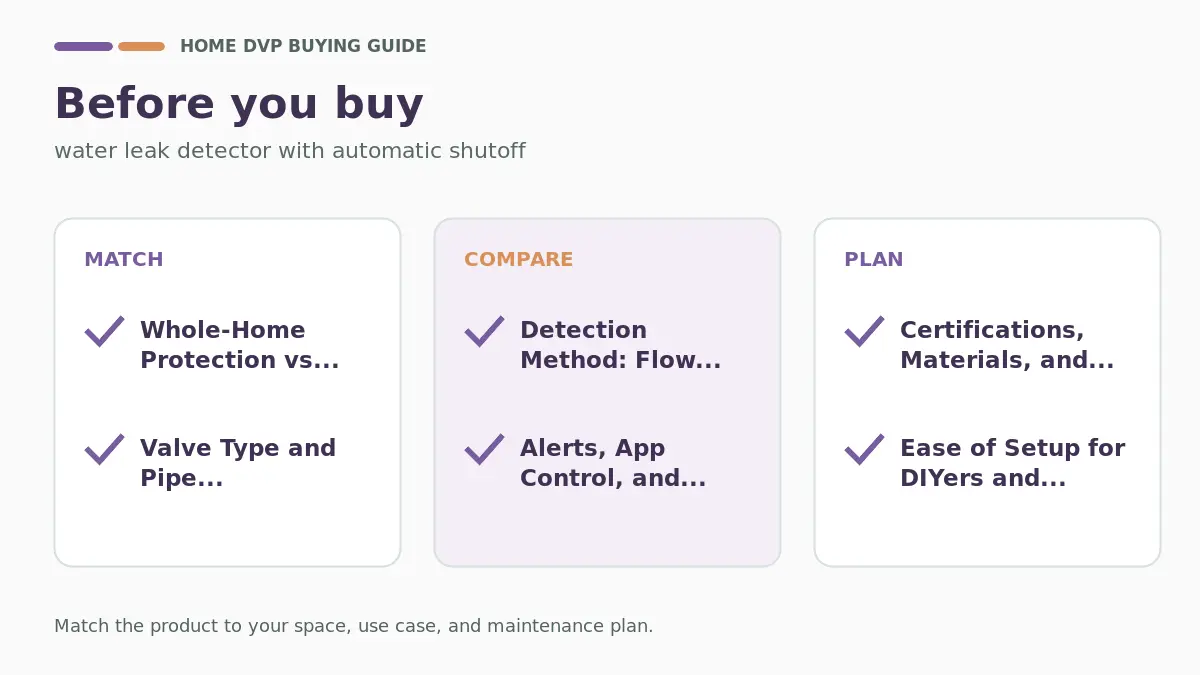
Certifications, Materials, and Water Safety
Because these devices can connect directly to potable water lines, certifications and material quality matter. The Frizzlife LP365 Smart Water Monitor and Automatic Shutoff lists NSF/ANSI certifications in the provided product information, which is a meaningful specification for homeowners concerned about drinking water contact. The NSF Certified YoLink Leak Protection Kit also signals certification in its product name, which may be important for buyers who want documented compliance.
Beyond certifications, look for durable valve bodies, weather or dust resistance when installation areas are exposed, and fittings that match your home plumbing. An outdoor or garage installation may face temperature swings, humidity, dust, and insects. If the product lists an outdoor rating or protective enclosure, compare it against the actual installation environment rather than assuming all shutoff systems are built for the same conditions.
Never install a device on a line or in a location that conflicts with the manufacturer’s specifications. If your home has older galvanized pipe, tight clearances, unusual fittings, or a pressure-reducing valve near the main shutoff, a licensed plumber can help avoid fit and flow problems.
Ease of Setup for DIYers and Homeowners
Beginner DIYers should look closely at setup complexity. A sensor-based kit with a valve operator may be more approachable than an inline monitor if the existing valve is accessible and compatible. The YoLink DIY Automatic Water Leak Detection & Shut-Off Starter Kit is positioned as a starter kit with a valve operator, controller, sensors, and hub, making it easier to understand as a complete system.
More advanced homeowners may prefer a smart monitor with flow data, water usage reports, and customized protection settings. The Frizzlife LPG365 Smart Water Monitor and Automatic Shutoff Valve with 3 Leak Sensors adds sensor coverage to a smart monitoring approach, making it a premium-style choice for homes where both flow analysis and point detection are valuable.
The most common setup mistake is skipping the test procedure. After installation, confirm that each sensor triggers alerts, the valve closes as expected, and all household members know how to reopen the valve if the alarm is resolved. Also label the main shutoff area so a plumber, neighbor, or house sitter can identify the system quickly.
Value, Expandability, and Long-Term Maintenance
The $99.99–$555 market includes simple appliance shutoff kits, smart valve operators, and advanced whole-home monitors. Value is not just about the lowest upfront cost. A system that covers more risk areas, supports more sensors, sends better alerts, and fits your plumbing correctly may be the better investment for a finished basement, rental property, or vacation home.
Expandability is especially important. If a kit includes a hub or smart platform, check whether you can add sensors near toilets, under sinks, behind a refrigerator, beside a tankless water heater, or near a sump pump. If your home includes an on-demand system, our tankless water heater guide can help identify another area where leak monitoring may be worth considering.
Long-term maintenance is simple but important: keep sensors clean and correctly placed, replace batteries when needed, review app settings after router changes, and periodically run the manufacturer’s recommended leak test. If the system uses customized water-use thresholds, update them when household routines change, such as adding irrigation, hosting guests, or changing appliance schedules.
Our Research Methodology & Why You Can Trust Us
After comparing the listed specifications, we evaluated each product for category fit before considering it for discussion. To match water leak detector with automatic shut off, a product needed to clearly include both water leak detection and automatic shutoff capability. Products that function only as alarms without a clear shutoff component were not used for recommendations, even if they were relevant to water detection in a broader sense.
Our research considered performance indicators such as detection method, valve response, coverage style, sensor support, and remote notifications. We also reviewed build-related factors including pipe compatibility, power source, certification claims where provided, indoor or outdoor suitability, and whether the system appears better suited for DIY installation or professional plumbing work.
Based on our detailed comparison, we weighted features that matter most in real homes: reliability, ease of use, safety, value, durability, and fit for common homeowner scenarios. We also considered user-facing specifications and available rating signals without overstating them or claiming physical testing. This guide is updated during August to keep recommendations aligned with the available product data and current buying considerations.
Trust matters with plumbing equipment because a poor fit can create more problems than it solves. That is why we identify strengths and limitations clearly, recommend professional installation where appropriate, and avoid suggesting unrelated products. For clogs and drain maintenance that can also contribute to water damage, see our drain snake buying guide.
Final Thoughts
For an overall whole-home pick, the Frizzlife LP365 Smart Water Monitor and Automatic Shutoff stands out based on its listed ultrasonic micro leak detection, app control, real-time alerts, water usage monitoring, pipe-size compatibility, and certification information. It is best suited for homeowners who want more than a puddle sensor and are comfortable with a main-line monitoring approach. Buyers should still confirm installation requirements and consider a plumber if the main water line needs modification.
For a sensor-rich smart home setup, the YoLink DIY Automatic Water Leak Detection & Shut-Off Starter Kit and YoLink Smart Water Leak Protection System Kit are strong options because they combine leak sensors, a hub-based ecosystem, and automatic valve control. The NSF Certified YoLink Leak Protection Kit is also worth considering for buyers who prioritize listed certification language and long-range sensor communication. For laundry rooms, the FloodStop Washing Machine Leak Detector Kit with Automatic Water Shut-Off and Visual/Audible Alarms and the Washing Machine Water Leak Detector Kit with Dual Power Supply are more targeted choices.
The best choice depends on where your water damage risk is highest. Choose whole-home protection for broad coverage, a valve-operator kit for retrofit convenience, or an appliance kit for a focused laundry-room solution. If you are upgrading other plumbing components at the same time, our toilet repair kit guide can help with another common maintenance category.
FAQ
What should I look for when choosing water leak detector with automatic shut off?
Start with the type of protection you need: whole-home shutoff, valve-operator retrofit, or appliance-specific shutoff. Then compare pipe compatibility, sensor coverage, app alerts, power source, and whether the system can shut off locally if internet service is unavailable.
Are higher-end water leak detector with automatic shut off worth it?
Higher-end systems can be worth it when they provide broader protection, flow monitoring, more sensors, better alerts, and stronger customization. They make the most sense for finished basements, vacation homes, rental properties, and homes with expensive flooring or cabinetry near plumbing.
How should beginners choose water leak detector with automatic shut off?
Beginners should prioritize complete kits with clear installation requirements and avoid any product that does not match their existing plumbing. If the system requires cutting into the main line, hiring a plumber is often the safest route.
Do water leak detector with automatic shut off work during a Wi-Fi outage?
Some systems advertise offline or device-to-device shutoff behavior, while others rely more heavily on Wi-Fi and cloud connectivity. Check the product specifications carefully, especially if the system protects a second home, basement, or area where network coverage is inconsistent.
Where should leak sensors be placed?
Place sensors near common leak sources such as washing machines, water heaters, under sinks, behind toilets, near dishwashers, and around sump or mechanical areas. For more general detector comparisons, see our water leak detector guide.
How often should homeowners maintain water leak detector with automatic shut off?
Homeowners should periodically test sensors, confirm the valve closes correctly, check app notifications, and replace batteries where needed. It is also smart to review settings before vacations, seasonal shutdowns, or major household schedule changes.
Are water leak detector with automatic shut off suitable for rentals or condos?
They can be very useful in rentals and condos, especially around washing machines and water heaters, but installation rules matter. Renters should get permission before modifying plumbing, while condo owners should confirm building requirements for main-line shutoff work.
About This Home DVP Research
Home DVP is an independent home-improvement research and product-comparison publisher. Ryan Mitchell prepared this guide by comparing manufacturer specifications, compatibility details, retailer-provided product data, key limitations, and common homeowner use cases. We do not claim hands-on testing unless an article explicitly says so.
Review methodology Affiliate disclosure Last reviewed September 10, 2026