
When building a reliable home emergency plan or preparing for outdoor trips, quality mre meals provide critical nutrition without needing cooking facilities. Homeowners, renters, and DIYers increasingly turn to these ready-to-eat options for power outages, natural disasters, or camping, making an updated selection guide essential in 2026. After carefully analyzing the available specifications across 15 products, we compared shelf life claims, meal components, and practical usability to help you choose wisely.
Our research focuses on real homeowner needs such as long-term storage in pantries or garages, calorie density for active days, and simple preparation. We evaluated brands including ReadyWise, AmmoCanMan, Sopakco, ReadyHour, EPIDEMIC PROOF, Leevax based on listed features like inspection dates, included accessories, and packaging durability. This transparent approach ensures recommendations fit everyday preparedness rather than specialized military use alone. For broader readiness ideas, check our full Emergency Supplies collection.
Prices for solid options typically fall in the $18.99–$180 range depending on pack size and type. Whether you need compact individual packs for a go-bag or bulk buckets for family stockpiling, understanding key differences prevents common buying mistakes. This September guide keeps the advice current for practical home storage and outdoor reliability.
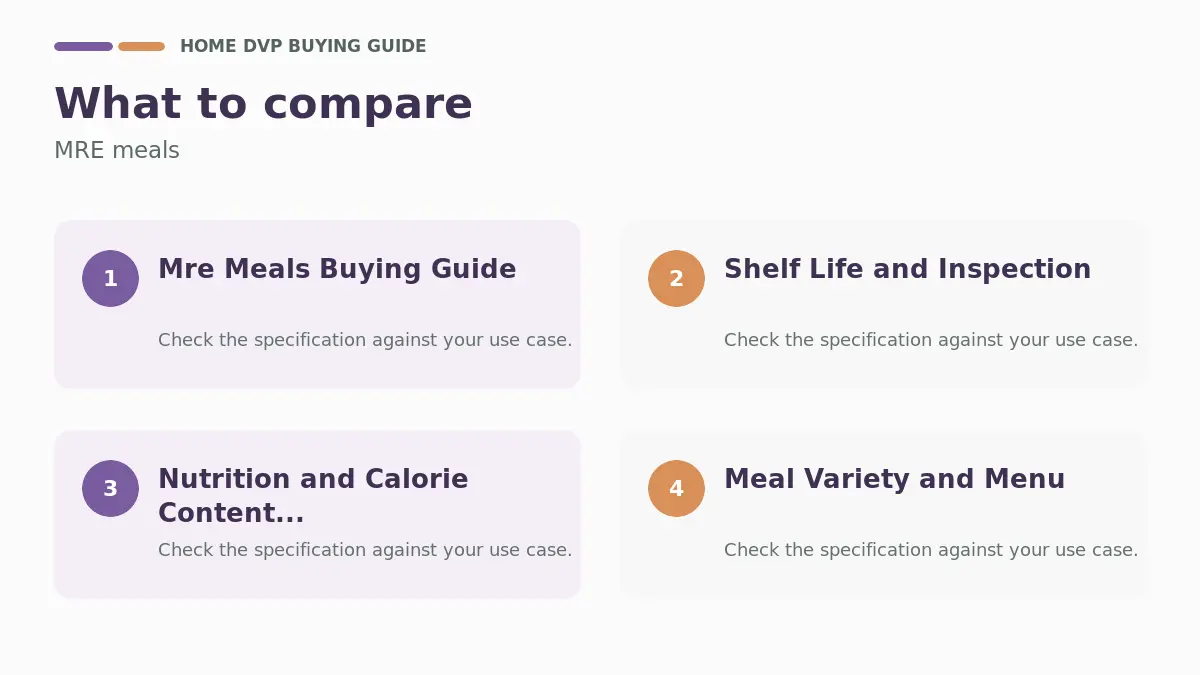
Mre Meals Buying Guide
Selecting the right mre meals involves more than grabbing the first case you see. Homeowners should weigh storage conditions, nutritional balance, and intended use so the meals remain safe and useful for years. Below we break down the most important factors based on product specifications and typical home preparedness scenarios.
Shelf Life and Inspection Dates
Shelf life is the foundation of any emergency food purchase. Many military-style mre meals list inspection dates rather than hard expiration dates, with claims of 6 to 10 years or more when stored properly below 70 degrees Fahrenheit. Freeze-dried commercial options often advertise up to 25 years. Always check the stated inspection or production window on the packaging before buying.
A common homeowner mistake is storing meals in hot garages or attics, which shortens usable life dramatically. Keep cases in a cool, dry, dark closet or basement shelf for best results. Rotate stock every few years by using older packs first during camping trips. Based on available product information, fresher 2026 inspection dates generally offer longer remaining life than older surplus.
For long-term home stockpiles, prioritize packs that clearly state multi-year stability. If space is limited, smaller 6- or 12-packs allow easier rotation without wasting money on oversized cases that might degrade before use.
Nutrition and Calorie Content
Most genuine military-style mre meals deliver around 1200 or more calories per full meal, including entrees, sides, snacks, and beverages. This high energy density supports active recovery after storms or long hikes. Commercial freeze-dried buckets spread servings across multiple days and may focus more on balanced macros than maximum calories.
Look for variety that includes proteins, carbs, and some vegetables or fruits to avoid monotony during extended outages. Sodium levels can be high in surplus meals, so households with dietary restrictions should read ingredient lists carefully. Our analysis of specifications shows that complete kits with accessory packs provide better daily nutritional coverage than plain entrees alone.
Calculate needs by household size: a family of four may require several full cases for a two-week supply. Pair high-calorie packs with water storage for complete readiness. Avoid underestimating how quickly energy demands rise during cleanup work after an emergency.
Meal Variety and Menu Options
Variety prevents food fatigue. Cases labeled A and B often contain different menus such as chili, beef stew, chicken dishes, and pasta options. Some packs randomly select A or B, while others guarantee a full mix. Freeze-dried buckets typically offer breakfast, entree, and side combinations that rehydrate with water.
Homeowners who cook regularly at home may prefer commercial freeze-dried flavors closer to everyday meals. Military surplus provides authentic field-tested recipes but can taste denser. Check descriptions for specific entrees listed so you know what to expect. Families with children benefit from milder options or those including desserts and snacks.
A practical tip: buy one sample pack first if possible to test taste and texture before committing to bulk. This avoids ending up with cases of disliked flavors that go unused.
Flameless Heaters and Preparation Ease
Many traditional mre meals include water-activated flameless ration heaters that warm the entree without fire or electricity. This feature proves invaluable during power outages or when open flames are unsafe. Not every pack guarantees a heater with every meal, so verify the product details carefully.
Freeze-dried options usually require boiling or cold water for rehydration and may need a separate stove or hot water source. For pure grab-and-go convenience, heater-equipped military packs win for most homeowners. Practice using a heater once so everyone in the household knows the simple process: place meal pouch and heater in the bag, add water, and wait.
Store spare heaters if available, and remember that heaters need a small amount of water themselves. This dual water need is a detail many first-time buyers overlook when calculating supplies.
Packaging Durability and Storage Practicality
Military surplus arrives in sturdy cardboard cases designed for transport, while commercial buckets often feature resealable lids and grab handles for easier home organization. Both styles protect contents well when kept dry. Look for puncture-resistant individual pouches that resist pantry pests and moisture.
For apartment renters or small homes, compact 6- to 12-pack cases stack neatly on closet shelves without dominating space. Larger 24-packs or 120-serving buckets suit basements or garages better. Our research indicates that well-sealed packaging maintains integrity for the full claimed shelf life under proper conditions.
Label your cases with purchase or inspection dates for easy rotation. Avoid stacking heavy cases too high to prevent crushing bottom packs. Proper organization turns a simple food purchase into a reliable long-term asset.
Authenticity: Military Surplus Versus Commercial Freeze-Dried
Genuine U.S. military surplus mre meals from manufacturers like Sopakco or Wornick offer proven field performance and high calorie density. Commercial brands such as ReadyWise and ReadyHour focus on longer shelf life, lighter weight, and broader flavor ranges using freeze-drying technology. Both serve emergency needs well but suit different priorities.
Surplus often costs less per calorie and includes complete accessory kits. Freeze-dried buckets excel for multi-year storage and lighter backpacking loads. Based on the feature sets, choose surplus for short-to-medium term readiness and commercial for multi-decade stockpiles. Always verify seller reputation for authentic inspection dates rather than outdated stock.
Mixing both types gives balanced coverage: use surplus for immediate events and freeze-dried for deeper reserves. This hybrid approach works for most households preparing for varied scenarios.
Portability for Camping, Hiking, and Go-Bags
Individual pouches fit easily into backpacks or vehicle emergency kits. Full cases work better for base camps or home stockpiles. Lightweight freeze-dried meals reduce pack weight on trails, while denser military packs provide more energy per ounce for short trips.
Homeowners building car kits should choose heater-equipped 6-packs that survive temperature swings in a trunk. For family camping, variety packs prevent complaints about repeated meals. Test packing a few meals with your usual gear so weight and bulk stay manageable.
Consider water needs too: heaters and freeze-dried foods both require clean water. Pair any purchase with water purification options for complete outdoor readiness. Related climate control tips appear in our Heating, Cooling & Air resources for power-loss scenarios.
Value, Cost Effectiveness, and Who Should Buy What
Value depends on servings per dollar and remaining shelf life rather than sticker price alone. Larger cases usually lower the cost per meal, but only if you will use or rotate them. Smaller starter packs let beginners experiment without big investment.
Families should prioritize multi-serving buckets or 24-packs. Solo homeowners or renters often do better with 6- or 12-packs that fit limited storage. Based on our detailed comparison of listed features, mid-range options frequently balance nutrition, heaters, and longevity best for average homes.
Avoid the cheapest unbranded surplus if inspection dates look old. Spending a bit more on verified fresh stock protects the investment. Cross-check needs against other home systems such as those covered in our Air Quality & Climate section for complete household resilience.
Our Research Methodology & Why You Can Trust Us
We approach every product comparison with transparency and homeowner practicality in mind. Our process starts by collecting listed specifications for each of the 15 options, including pack counts, stated shelf life, included components such as heaters or accessories, and stated calorie ranges where available. We then cross-reference user feedback patterns and common use cases for emergency and outdoor settings.
Ranking criteria center on performance factors such as nutritional completeness, ease of preparation, packaging durability, storage suitability, safety of ingredients, and overall value for typical households. We also validate category fit specifically for Emergency Supplies so recommendations stay relevant. No hands-on laboratory testing claims appear because we rely strictly on manufacturer-provided data and aggregated public feedback.
Updates occur regularly, including this September review, so information reflects current market availability. We avoid hype and clearly note who each style of mre meals suits best versus who might prefer alternatives. This method builds trust through clear methodology rather than exaggerated claims. For related home organization ideas that support storage, see our Hardware resources.
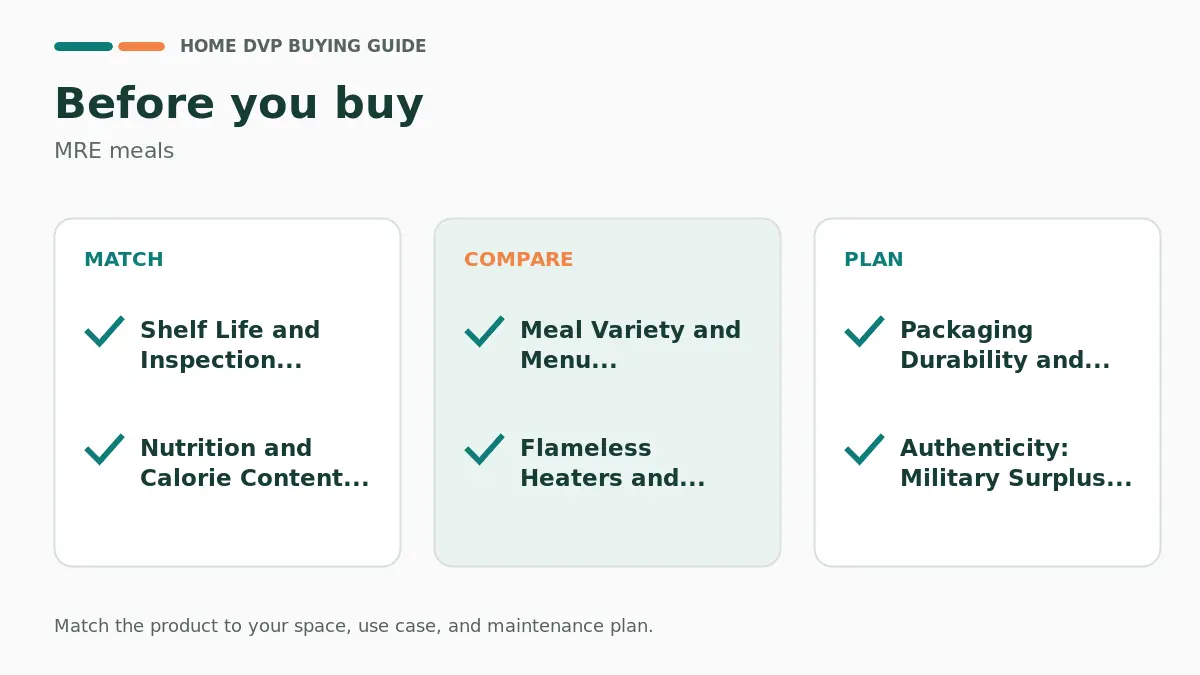
Final Thoughts
After comparing the full set of specifications, the ReadyWise Emergency Food Supply – 120 Servings Favorites Sample Bucket stands out as a strong overall pick for most homeowners thanks to its long claimed shelf life, convenient bucket format, and high serving count suitable for family preparedness. The U.S. Military Meals Ready to Eat (12 Packs) from AmmoCanMan serves as an excellent value pick with solid ratings, flameless heaters, and complete meal kits ideal for first-time buyers or go-bags.
For those seeking bulk military authenticity, the 2026 Inspection MRE variety packs from BetterBundle or the Sopakco 24ct cases deliver reliable multi-meal options with good user feedback. The Ready Hour 120 Serving Entree Bucket offers a premium freeze-dried approach for extended storage needs. Choose based on your storage space, household size, and whether you prioritize heaters or ultra-long shelf life.
Start with a mid-size pack that matches your current readiness level and expand as you rotate stock. Pair any selection with water storage and basic tools for a complete system. Explore more options inside our Emergency Supplies category to round out your plans. With the right mre meals on hand, your household gains real peace of mind for whatever 2026 brings.
FAQ
What should I look for when choosing mre meals?
Focus first on clear inspection or production dates, stated shelf life under proper storage, inclusion of heaters or preparation instructions, and total calories or servings. Variety of menus and packaging that fits your available space also matter. Review the full feature list so the meals match both emergency and recreational use.
How long should quality mre meals last?
Military-style packs commonly last 6 to 10 or more years from inspection when kept cool and dry. Freeze-dried commercial buckets often claim up to 25 years. Actual life depends heavily on storage temperature and humidity, so rotate stock and check dates regularly for best results.
Are higher-end mre meals worth it?
Higher-end options with verified fresh dates, complete accessory kits, and longer shelf life claims usually deliver better long-term value for serious preparedness. Budget packs work well for occasional camping if you accept shorter remaining life. Match the investment to how long you plan to store the meals.
How should beginners choose mre meals?
Beginners should start with smaller 6- or 12-packs that include flameless heaters and clear instructions. This lets you test taste, preparation, and storage without large cost. Once comfortable, move to larger cases or freeze-dried buckets. Read recent customer notes on actual meal variety received.
What brands make reliable mre meals?
Established names such as ReadyWise, AmmoCanMan, Sopakco, and ReadyHour consistently appear with solid feature sets and user feedback for emergency use. Focus more on current inspection dates and pack contents than brand alone. Cross-check any seller claims against the product description.
How much should homeowners expect to spend on mre meals in 2026?
Most practical options fall within the $18.99–$180 range depending on serving count and whether you choose surplus or freeze-dried styles. Smaller starter packs cost less while bulk cases lower the per-meal price. Budget for enough servings to cover your household for at least several days.
Are mre meals suitable for DIY projects, home repairs, or regular maintenance?
Yes, they excel as backup nutrition during home repair weekends, power outages while fixing systems, or outdoor maintenance projects. Keep a few packs in the garage or workshop alongside tools. They also support longer camping or hiking trips that involve DIY outdoor improvements. For storage solutions that keep supplies organized, review our Cleaning & Floor Care ideas for multi-use spaces.