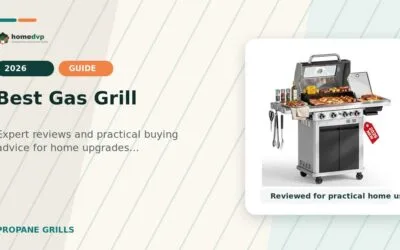

Grill flare-ups happen when dripping fat, oil, marinade, or food debris ignites above the cooking surface. A brief flame is different from a sustained grease fire, but either can burn food, damage a grill, or spread to nearby materials. The safest approach is to control the fuel source, keep the lid and burners manageable, and stay beside the grill while fatty food cooks.
Answer-first summary: To prevent grill flare-ups, clean grease from the grates and firebox, trim excess fat, use less oil and sugary marinade, cook fatty food over a cooler zone, and keep a clear area around the grill. If flames grow beyond your control, turn off the burners or close the gas supply as directed by the manual, keep the lid closed when appropriate, and call emergency services if the fire does not quickly subside.
What causes grill flare-ups?
A flare-up occurs when combustible drippings reach a hot burner, charcoal, heat deflector, or other ignition point. Fatty cuts of meat are common triggers, but oil, butter, sugary sauces, wet marinades, and bits of food can also provide fuel. Grease that has collected below the grates can ignite later, even when the food being cooked is not especially fatty.
Some flare-ups are short and localized. They may disappear after the dripping is consumed. A larger or repeated flare-up suggests that too much fuel is reaching the heat source or that accumulated grease is present. Treat repeated flames as a warning to stop adding food and investigate the cause after the grill is safely cool.
- Inspect the grill while it is cold. Look for grease in the bottom of the firebox, under heat shields, around burner openings, and in grease trays or cups. Remove residue according to the grill manual.
- Check that grease can drain. A blocked drain channel or overfilled collection tray can leave liquid fat close to the flame. Replace disposable liners only with the type specified for the grill, and never allow a liner to obstruct drainage.
- Clean the cooking grates. Remove stuck food and heavy carbon deposits with a tool suitable for the grate material. Do not assume that heating the grill burns away all grease below the cooking surface.
- Prepare the food to reduce dripping. Trim large pockets of external fat, drain wet marinades, and pat food dry before placing it over high heat. Use only enough oil to prevent sticking.
- Set up a cooler cooking zone. On a gas grill, use the burner arrangement described in the manual. On a charcoal grill, arrange coals so that one area has less direct heat. A cooler zone gives you somewhere to move food if flames begin.
- Place tools within reach. Have long-handled tongs, a heat-resistant utensil, and a clean plate ready. Do not carry partly cooked food through the home to escape a flare-up.
- Check the surroundings. Move combustible items away from the grill, including towels, paper goods, dry leaves, cardboard, and containers of fuel or cooking oil. Follow the clearance and placement instructions for your specific model and local rules.
Control the main sources of flare-ups
Fat and high-fat foods
Fat is often the most important variable. You do not need to remove every bit of fat, but thick external layers and large fatty deposits can produce sudden bursts of flame. Trim excess fat before cooking and use a two-zone setup so the food can be moved away from direct heat while it finishes.
Ground meat, sausages, poultry skin, ribs, and other fatty foods deserve closer attention than lean vegetables or trimmed cuts. Avoid pressing burgers or other meat with a spatula. Pressing forces juices and fat onto the heat source, which can create a flare-up without improving control.
Oil, marinades, and sauces
Oil on the food can drip just like animal fat. Excess liquid marinade can also run through the grates, especially when food is placed over a very hot area. Drain food before grilling, and apply a sugary sauce near the end of cooking rather than coating the food heavily at the start.
Keep raw-food marinade separate from any sauce you plan to serve. If you want to reuse a marinade, follow safe food-handling directions rather than brushing it directly from the raw-food container onto cooked food.
Grease buildup
A clean grate does not necessarily mean a clean grill. Grease can collect beneath heat shields, around burner areas, or in a tray that is difficult to see during ordinary cooking. Follow the owner manual for which parts may be removed and how they should be cleaned. Do not scrape or poke burner ports unless the manufacturer provides that procedure.
Use heat and zones to keep flames manageable
Starting every food at the highest available heat can make flare-ups more likely because drippings hit the hottest surfaces. Preheat according to the manual, then use a lower or indirect area for food that releases a lot of fat. Move food when flames rise instead of trying to cook through the flare-up.
For a gas grill, changing burner settings may reduce the heat under the food, but the exact controls differ by model. For charcoal, moving food away from the coals is usually more useful than spreading hot food across the entire grate. Never add lighter fluid to a lit or warm charcoal fire.
A practical decision rule is simple: if the flame is directly under a small amount of dripping food and remains brief, move the food to the cooler zone and monitor it. If flames repeat across the cooking area, look for pooled grease or an overloaded grease tray after the grill is cool. If flames escape the grill or keep growing, stop cooking and treat the situation as a fire emergency.
What to do when a flare-up starts
- Stay calm and stop feeding the fire. Do not add more food, oil, water, or seasoning. Move people away from the grill.
- Move food only if it is safe. Use long-handled tongs to transfer food to the cooler zone or a clean plate. Do not reach over tall flames.
- Reduce the heat source. For a gas grill, turn the burners off as instructed by the manual. If the flame continues, close the gas supply only if you can do so without reaching through fire or exposing yourself to heat.
- Keep the lid decision model-specific. Follow the grill manual for fire behavior and lid operation. Do not open and close the lid repeatedly, and do not remove hot grates or the grease tray while flames are present.
- Watch for spread. If the fire escapes the grill, threatens a structure, involves the fuel supply, or does not quickly subside after the heat source is shut down, move away and call emergency services. Do not risk burns trying to save the grill.
Do not use water on a grease fire. Water can spread burning oil and create a sudden burst of steam. Keep a suitable fire extinguisher accessible if you choose to keep one near the cooking area, and learn how its label directs you to use it. A fire extinguisher is not a substitute for leaving the area and calling for help when the fire is growing.
Common mistakes that make flare-ups worse
- Cooking with an overfilled grease tray: Liquid grease can ignite or overflow. Inspect it before cooking and replace or empty it using the manual’s procedure.
- Cleaning only the grates: Grease below the grates can remain a hidden fuel source.
- Using too much cooking spray: Aerosolized oil can land on hot surfaces. Apply oil to food or a cool grate in a controlled way, following the product and grill instructions.
- Brushing on sauce too early: Sugary sauces can burn quickly and create sticky residue that holds more debris.
- Pressing meat: This drives fat and juices onto the heat source.
- Leaving the grill unattended: Wind, dripping fat, and a small change in food position can turn a manageable flame into a larger event.
- Trying to remove grease while hot: Scraping, lifting trays, or pouring liquid into a hot grill can cause burns or spread fire.
Maintenance checklist for fewer flare-ups
Use this checklist after the grill has cooled completely:
- Remove food residue from the grates using a method suitable for the grate material.
- Inspect the area beneath the grates for pooled grease and burned-on deposits.
- Check the grease tray, cup, and drain path for blockage or overflow.
- Look for damaged heat shields, warped parts, loose panels, or components that no longer sit as intended.
- Confirm that burner openings, ignition parts, and ventilation areas are treated only as the manual permits.
- Store cleaning tools and combustible materials away from the hot grill.
- Record recurring flare-ups instead of simply cleaning more aggressively. Note the food, heat setting, location of flames, and whether grease was present.
A worked example: choosing a safer cooking setup
Suppose you are grilling skin-on chicken with a wet marinade. The risk factors are fatty skin, liquid on the surface, and drippings that may reach a hot zone. Before cooking, drain and pat the chicken, inspect the grease tray, and set aside a cooler area. Begin over the less direct zone if your manual and grill design allow it. If the skin releases fat and flames rise, move the pieces rather than pressing them down or adding sauce. Apply a sweet sauce later, when less cooking time remains, and continue watching for repeated flames.
This example is not a universal temperature or timing prescription. Grill design, fuel type, food thickness, weather, and manufacturer instructions all affect the correct setup. The transferable method is to reduce liquid fuel, separate food from the hottest surface, and keep an escape zone available.
When this advice does not apply
Do not use ordinary flare-up techniques to manage a damaged gas hose, suspected gas leak, uncontrolled charcoal fire, electrical fault, or fire involving a propane cylinder. Move away, avoid ignition sources when appropriate, and contact emergency services or a qualified professional. If you smell gas, do not operate switches or create sparks while investigating.
Apartment and rental residents should also check lease rules, building policies, and local fire requirements before using a grill. Required placement, permitted fuel types, and restrictions can vary. The grill manual controls model-specific instructions, while local authorities control site-specific requirements.
How we prepared this guide
We checked this guide against the supplied official guidance from the U.S. Environmental Protection Agency and the U.S. Consumer Product Safety Commission. Those sources address outdoor water use and lawn mower safety rather than grill flare-ups, so they do not establish grill-specific clearances, fire-extinguisher ratings, fuel procedures, or cooking settings. Confirm all model-specific details in your grill manual and check local fire rules. We did not conduct hands-on testing or claim professional inspection.
Final action: how to prevent grill flare ups
Before your next cook, use this order: clean the grates and grease path, trim or drain the food, prepare a cooler zone, remove nearby combustibles, and keep the grill attended. During cooking, move food away from rising flames and reduce the heat source according to the manual. If the fire grows, escapes the grill, or involves the fuel supply, leave the area and call emergency services rather than attempting a risky cleanup.
Sources and further reading
- EPA WaterSense labeled irrigation controllers. This official source was reviewed as part of the supplied source pack, but it does not provide grill-fire guidance.
- EPA WaterSense outdoor actions. This official source concerns outdoor water use and is not a substitute for grill or fire-safety instructions.
- CPSC lawn mower safety. This official source covers lawn mower hazards, not grill operation; use the grill manufacturer manual for model-specific safety procedures.
For related outdoor home-care topics, browse Outdoor & Garden or see our guide to choosing a lawn mower for your home.